
Static in Knitwear: Why Sweaters Crackle and What Buyers Can Specify
Quick answer
Static in knitwear is a fibre and humidity problem, not a manufacturing defect: synthetic fibres (acrylic, polyester, nylon) hold charge because they absorb almost no moisture, and dry heated winter air removes the only thing that would drain the charge away. Buyers cannot eliminate physics, but they can specify around it — blend in conductive or hydrophilic fibre, apply an anti-static finish, and set a care label that includes conditioner or softener. The fix belongs in the tech pack, not in the complaints inbox.
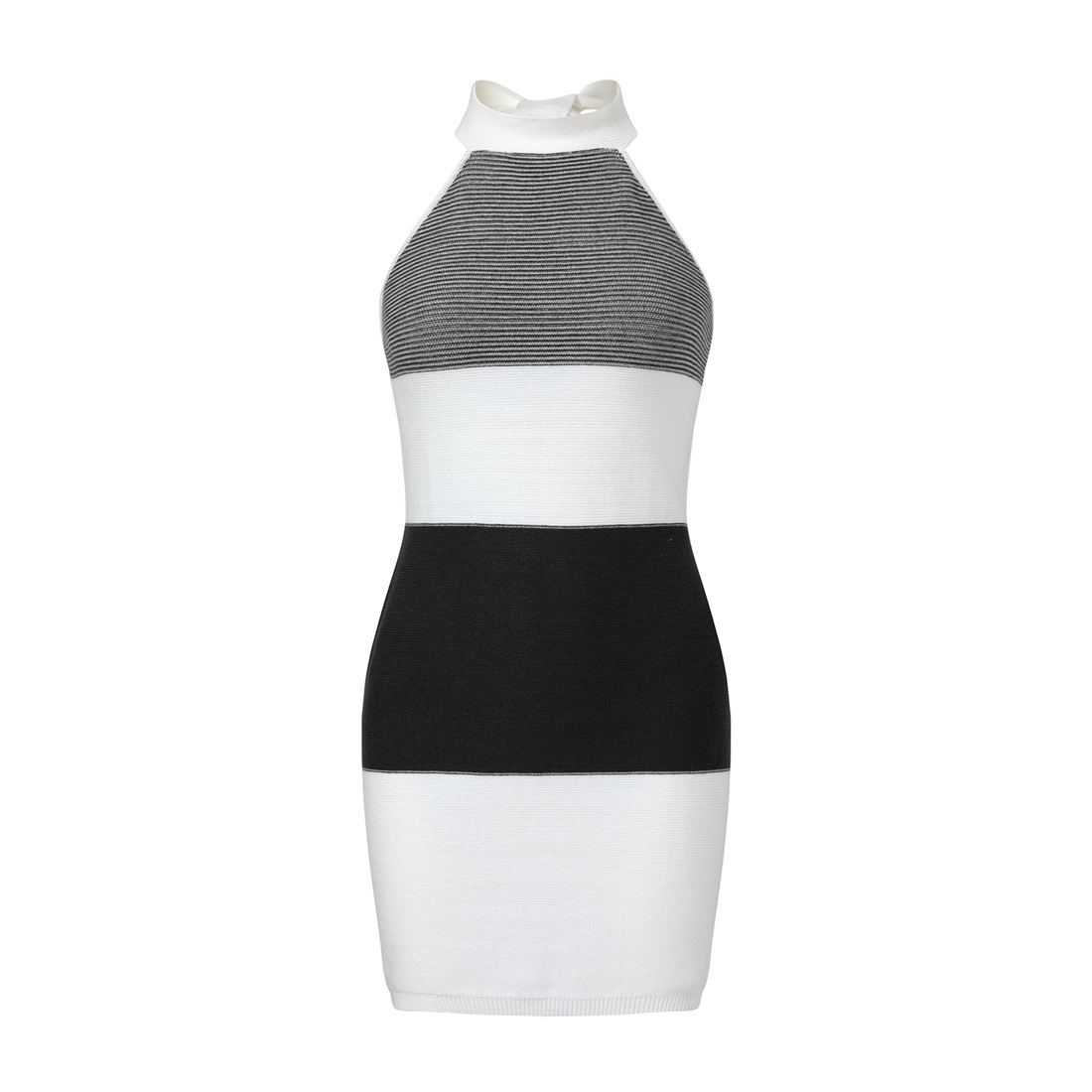
Every winter we get the same email from at least one buyer: "Customers say the dress clings and crackles when they take it off." It is almost always a 100% synthetic style, sold into a market with cold, dry winters, and it is almost always fixable — at the next order, not this one. Here is what is actually happening and where a buyer can intervene.
What static actually is in a sweater
When two surfaces rub and separate, electrons move from one to the other. Whether that charge stays put depends on how well the material conducts it away. Water conducts, so fibres that absorb moisture from the air dissipate charge quietly. Wool absorbs around 14–18% of its weight in moisture under normal indoor conditions, cotton around 8%. Acrylic and polyester absorb under 2%. Put an acrylic dress over a polyester lining in a centrally heated room at 20% relative humidity and there is simply nowhere for the charge to go — until the wearer touches a door handle.
That is why the complaint is seasonal and regional. The same garment is fine in Guangzhou in July and unbearable in Minnesota in January. We see this pattern clearly in return data: static complaints cluster in markets with cold winters and indoor heating.
Which styles suffer most
- High-synthetic, next-to-skin styles. A 100% regular acrylic or polyester fine-gauge knit worn directly over a synthetic base layer is the worst combination — two low-absorbency surfaces rubbing all day.
- Dresses and skirts. Anything that hangs against tights or a slip will cling visibly, which is why static generates "it looked cheap" reviews rather than "it shocked me" reviews. The aesthetic failure matters more than the zap.
- Very fine, smooth yarns. Flat, continuous-filament surfaces generate more contact area and more charge than hairy, woollen-spun yarns, which shed charge more easily.
What a buyer can actually specify
None of these is exotic or expensive, but they must be decided before the yarn is ordered:
- Blend in a hydrophilic fibre. Moving from 100% acrylic to an 80/20 acrylic/wool or acrylic/cotton blend measurably reduces static because the blend's moisture regain rises. This is the most durable fix — it cannot wash out — and often improves hand feel at the same time.
- Anti-static finishes. A cationic softener or dedicated anti-static agent applied in the final rinse of garment washing coats the fibre and lowers surface resistance. It is cheap (pennies per garment) and effective, but be honest about durability: most finishes survive 5–15 home washes, not 50. If you want a long-life claim, specify a durable finish and test it after wash cycling.
- Conductive yarn. For programmes where static is a genuine problem (uniforms worn in dry environments, for example), a small percentage of carbon-core or metal-coated conductive fibre knitted in works permanently. It is the expensive option and overkill for fashion knitwear, but it exists and is specifiable.
- Care label instructions. Fabric softener in the home wash is itself an anti-static treatment. A care card that says "wash with fabric conditioner" on a synthetic style is not care theatre — it is the cheapest static control in the whole system.
Testing and honest claims
If you intend to market a style as anti-static, get it measured rather than assumed. Labs measure surface resistivity or charge decay (half-life) under standardised low-humidity conditions — ISO 18080 and AATCC TM134 are the references most third-party labs use for garments. Ask for the test to be run after your stated number of washes if durability is part of the claim, exactly as you would for pilling performance.
One word of caution from experience: do not print "anti-static" on packaging unless you have the test report. It is an easy claim for a competitor or a marketplace to challenge, and the test costs far less than the argument.
At YZR Sweaters we flag static risk at the quotation stage: when a brief comes in as 100% synthetic for a cold-climate market, we will tell you so, and quote the blended alternative alongside so you can see the real cost of the fix. Our partner factories in Dongguan (BSCI, SEDEX, Oeko-Tex certified) run anti-static finishing as a standard option in garment washing, and we can arrange surface resistivity testing with the same third-party labs that handle our other garment tests.
Getting static complaints on a synthetic style, or speccing a winter range for a cold, dry market? Send us the composition and target market and we will tell you honestly what will help and what is marketing.
Get a free quote Visit yzrsweaters.comOr reach us directly: daniel@yzrsweaters.com · WhatsApp +86 137 2449 4230 · Dongguan, China
Frequently asked questions
Is static a quality defect I can reject a shipment for?
Not unless your specification addressed it. Static behaviour is a property of the fibre and the environment, and a 100% acrylic sweater doing what 100% acrylic does is not a manufacturing fault. If static performance matters to your market, it has to be in the tech pack — blend, finish or test standard — the same way colourfastness or pilling would be.
Does an anti-static finish survive washing?
Standard rinse-applied finishes typically survive 5–15 home washes before performance drops off noticeably. Durable finishes exist and last much longer, but cost more and must be specified explicitly. Whichever you use, test after wash cycling if you plan to make a claim on it, and consider a care label that recommends fabric conditioner as the wearer's own top-up treatment.
Will blending wool into an acrylic sweater really fix static?
It helps substantially because it raises the blend's moisture regain, which lets charge dissipate. A 20% wool or cotton content is usually enough to take the edge off cling; it will not make the garment behave like 100% wool in a heated room at 20% humidity, but buyers who make this change typically see the complaint category disappear from reviews.