
Sourcing Chenille Knitwear: Soft Hand, Hard Lessons
Quick answer
Chenille is a pile yarn — short fibres trapped between two twisted core threads — and it knits into the softest, most luxurious-feeling sweater in most ranges. It also carries a defect most suppliers don't volunteer: worming, where loops of pile pull out and leave bare tracks across the garment. Chenille is worth selling, but only if you specify yarn quality, knitting tension, washing and packing correctly, and test for worming before bulk.
Almost every buyer who touches a chenille sample says the same thing: "customers will love this." They're usually right — chenille has a hand feel that sells itself on the rail. The problems show up later, after washing, after a season of wear, when the reviews mention "threads coming out." This guide is what we wish every buyer knew before their first chenille order.
What chenille yarn actually is
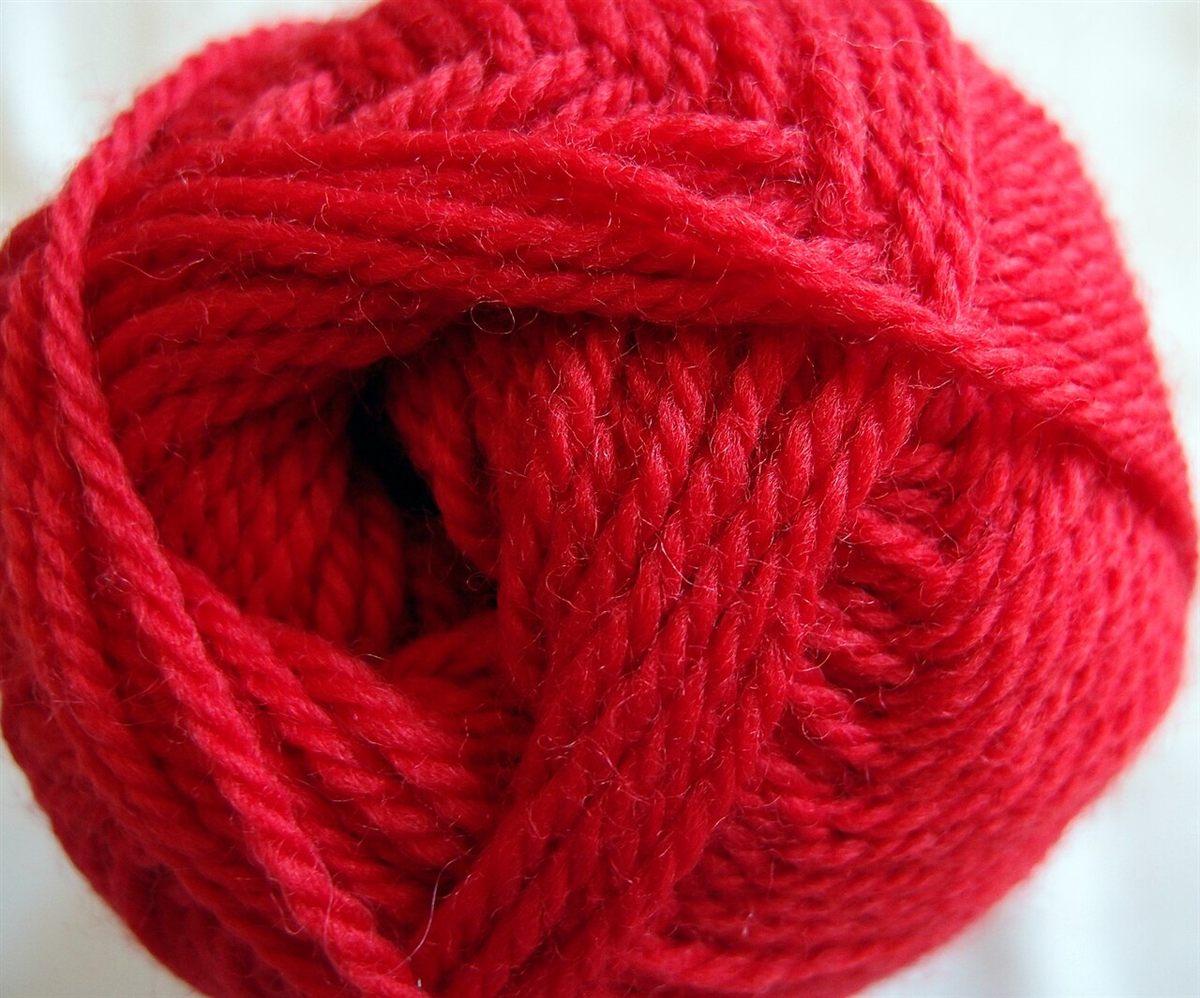
Chenille (French for "caterpillar") is not a fibre — it's a yarn construction. Short lengths of fibre are sandwiched between two fine core yarns, which are then twisted so the pile stands out at right angles, like a bottle brush. When knitted, that pile lays flat in every direction and gives the fabric its plush, velvety surface and deep, saturated colour.
Most commercial chenille for knitwear is 100% polyester, with acrylic and cotton chenille available at a higher price. Polyester chenille is soft, cheap and colourfast; cotton chenille breathes better but costs more and sheds differently. The fibre matters less than the construction quality — and that's where the trouble starts.
The defect nobody mentions in the showroom: worming
Because the pile is held only by the twist of the core, a weak or low-twist chenille lets pile fibres slip out under friction. In knitted fabric this shows as worming: loops or bare tracks of core yarn appearing on the surface, typically at the underarm, cuffs, seat and anywhere the garment rubs. Once it starts, it doesn't stop — the fabric is structurally failing.
Worming risk goes up when:
- The yarn twist is low. Cheap chenille saves money on twist. You cannot see this on a cone; you find out after washing.
- The knitting tension is loose. Big, loose loops give the pile room to escape. Chenille wants to be knitted tighter than feels natural.
- The structure is plain jersey in large panels. Smooth single jersey shows worming first; ribs and textured structures hold pile better.
- The garment is washed hard. Aggressive washing or tumble drying breaks the twist. Chenille care labels need to be honest — see care labelling rules for what you must declare.
We see this a lot: a buyer approves a gorgeous showroom sample, the bulk arrives looking identical, and the complaints start six weeks after retail. The sample was never the problem — the yarn's twist level and the wash behavior were.
The other risks worth planning for
- Pressure marks and shading. Chenille pile crushes under its own weight in a compressed carton, and the nap then reflects light differently, so one garment looks two-tone. Pack chenille flat, don't over-compress, and never vacuum-pack it. Our packaging guide covers carton loading generally, but chenille needs the gentle end of every option.
- Pilling and lint shedding. Chenille sheds loose pile in early washes, and low-quality yarns keep shedding. A wash test on the pre-production sample is not optional — see how to wash-test a sample.
- Snagging. The pile catches on jewellery and rough surfaces. That's inherent to the construction; it belongs in your product copy and care instructions, not as a surprise in reviews.
- Colour matching between lots. Chenille's pile makes colour read differently under different light, so approve shade in the knitted-down fabric, not on the cone, and check it under more than one light source.
How to buy chenille without the regrets
- Ask for the yarn's twist level and supplier. Reputable chenille comes from mills that publish specs. If your factory can't name the yarn source, that's your answer.
- Knit a test panel and abuse it. Rub it hard, wash it three times, tumble it once, then look for tracks. This costs one day and one panel.
- Specify knitting tension in the tech pack. Don't leave it to habit — chenille on a loose auto-pilot tension is how worming orders get made. A proper tech pack removes the guesswork.
- Choose structures that hold pile. Ribs, half-cardigan and textured stitches outperform big flat jersey panels for chenille.
- Price it honestly. Good chenille yarn costs more than the cheapest cone on the market, and the difference is roughly the difference between a bestseller and a returns problem. If a quote looks suspiciously low, ask which yarn it assumes.
At YZR Sweaters we knit chenille regularly for US and European brands, and we'll tell you plainly when a style isn't suited to it — some silhouettes simply fight the yarn. We source chenille only from mills we have wash-tested ourselves, knit it at controlled tension in our Dongguan partner factories (BSCI, SEDEX, Oeko-Tex certified), and run a worming check on the pre-production sample as standard, because finding out after shipment helps nobody.
Thinking about a chenille style? Send us the design or reference photo and your target quantity — we'll come back with the right yarn option, an honest assessment of the risks, and a costed quote.
Get a free quote Browse our knitwear rangeOr reach us directly: daniel@yzrsweaters.com · WhatsApp +86 137 2449 4230 · Dongguan, China
Frequently asked questions
Does chenille knitwear always shed or worm eventually?
No — quality chenille with adequate twist, knitted at the right tension and washed gently, holds up for years. The failures you hear about almost always trace back to low-twist yarn or loose knitting. Early lint shedding in the first one or two washes is normal even on good chenille; progressive bare tracks are not.
Can chenille sweaters be machine washed?
Polyester chenille generally can, on a gentle cold cycle in a laundry bag, laid flat to dry — but this must be verified by wash-testing your actual yarn and structure, not assumed. Cotton chenille is less forgiving. Whatever the test shows is what belongs on the care label, because the label is your legal protection if care-related complaints arrive.
Is chenille more expensive to produce than regular knitwear?
The yarn costs more than basic acrylic or cotton, and knitting runs slower because tension must be controlled, so expect a modest premium per piece. Against that, chenille styles routinely retail at two to three times a basic sweater's price, so the margin maths usually works — provided quality holds, which is exactly what the checks above protect.