
Knitted Throws and Home Textiles: Sourcing Them From a Sweater Factory
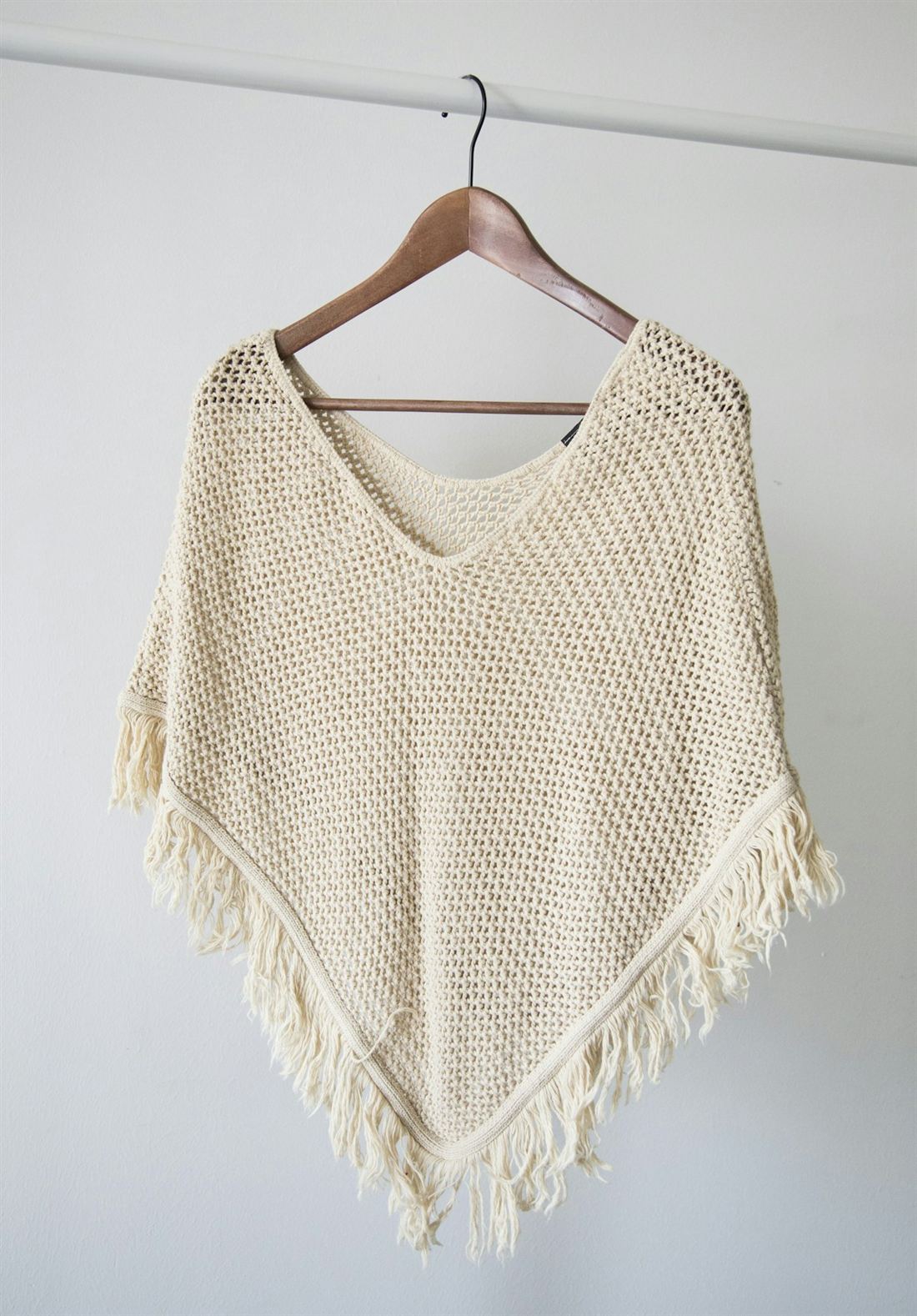
Quick answer
A sweater factory and a throw factory are mostly the same factory — flat-bed knitting machines make both, and chunky gauges that suit throws are common in sweater production. The real differences are not the knitting but the spec: throws are judged on squareness and even edges rather than fit, they weigh far more per piece (so yarn minimums and freight volume dominate cost), and in most markets they fall under different HS codes and duty rates than sweaters. Treat them as a separate product line, not apparel with bigger dimensions.
We get this question every season: a buyer who came to us for sweaters wants to add a knitted throw or a cushion line for the same customer. It sounds like an easy add-on, and technically it is — the same machines make it — but the cost and compliance logic is different enough that it should be sourced on its own terms. Here is what actually changes.
Why a sweater factory can make throws at all
The knitting platforms overlap heavily. Flat-bed machines that produce sweater bodies also produce rectangular panels for throws; chunky gauges (3–7 gauge) used for winter cardigans are exactly the gauges that give throws their hand-knit look. The finishing differs — throws are usually linked or seamed into a large rectangle and finished with a fringe, binding or self-edge rather than a neckline and sleeves — but the core capability is already on the floor. For a brand that already runs apparel with a factory, adding throws means one more product in the same relationship rather than a new vendor audit.
What you are actually buying is weight
A sweater weighs 300–700 grams. A throw weighs 1–2.5 kilograms, sometimes more for a chunky blanket. That one fact drives the whole throw programme:
- Yarn minimums bite harder. A 1.5 kg throw uses enough yarn that a single colourway can approach a mill's minimum order on its own, so small throw ranges need careful colour consolidation. Our guide on yarn per piece scales cleanly to the larger piece.
- Freight is about volume, not just weight. Throws are bulky and resist compression, so sea-freight cube — not the kilogram rate — is often the cost driver. Packing method decides whether you ship air or cubes.
- Price is per kilogram of finished goods. Expect throw quotations priced on weight plus finishing, which is a different mental model from per-piece apparel pricing. Works in your favour for heavy, simple styles.
QC differences: squareness over fit
Apparel QC spends its budget on fit, linking and seams. Throw QC spends it elsewhere:
- Dimensions and squareness. A throw measured off-square by 3 cm looks cheap on a sofa. The acceptance window is a flat measurement tolerance, checked on a lay, not on a body form.
- Edge and fringe consistency. Fringes must be even and securely knotted or bound; uneven edges are the most common reject on home lines.
- Weight and density uniformity. Since price and feel track weight, the finished grammage is checked against the standard rather than piece-to-piece variance.
- Wash performance. Many throws are sold machine-washable, so shrinkage and colourfastness on a full wash cycle matter more than on a display sweater. The testing logic is the same as our shrinkage control work, just applied to a household item.
The duty trap: throws are not sweaters at customs
This is the one buyers miss. A sweater usually enters under a knitted-garment heading (often 6110 for wool/animal hair or 6111 for other fibres); a blanket or throw is normally classified under 6301 (blankets and travelling rugs), and cushions under their own heading. The duty rate, the documentation and sometimes the allowable claims differ. We have seen buyers land throws under garment codes by mistake and face both a re-classification and a duty correction. Agree the HS code with your broker before the first shipment — our overview of sweater import duties is a starting point, but confirm the home-textile heading specifically with the destination broker.
How throws pack and ship
Packing choice is a cost decision. Folded flat in a polybag with a card is cheapest but bulkiest. Vacuum or roll compression cuts cube sharply for sea freight and is worth the labour on large throws. Wrapped throws ride better in cartons than loose sweaters because their weight is stable, but the cartons get heavy fast, so pallet weight and handling limits enter the plan. The same container-loading discipline that protects sweaters applies; our ocean freight container guide covers cube and palletising trade-offs that translate directly.
When throws make sense as an add-on
Best case is a brand with an existing apparel line, a shared colour and yarn story, and a customer who buys both. Worst case is a buyer expecting throw pricing to mirror apparel pricing and the same MOQ — it will not, because weight resets the minimum economics. The line also pairs naturally with other knitted non-apparel, which is why we group it with our knit accessories programme for brands building a wider knit range.
YZR Sweaters is a Dongguan knitwear manufacturer producing OEM/ODM sweaters and knitted home textiles at flexible MOQ. We run throw and cushion lines on the same machinery as our apparel, agree HS codes with your broker before the first shipment, and support weight, dimension and wash testing by SGS, BV or Intertek. We work with BSCI, SEDEX and Oeko-Tex certified factories and welcome audits.
Considering a knitted throw or cushion line alongside your sweaters? Send us the target size, weight and colour count — we'll reply with a yarn plan, a price-per-kg indication and the right HS heading for your market.
Get a free quote Browse our knitwear rangeOr reach us directly: daniel@yzrsweaters.com · WhatsApp +86 137 2449 4230 · Dongguan, China
Frequently asked questions
Can a sweater factory really match home-textile quality standards?
Yes, when the spec is written as home goods rather than apparel. The knitting is the same machinery; what changes is the QC focus on squareness, edge finish and wash performance, plus the right HS code at import. The risk is not capability but treating throws as oversized sweaters — they are a separate line with their own tolerances.
Do knitted throws pay different import duty from sweaters?
In most markets, yes. Sweaters usually fall under knitted-garment headings; blankets and throws are typically classified under blanket headings (for example 6301) with their own duty rate and paperwork. Confirm the exact code with your destination broker before the first order — misclassification is a common and expensive mistake.
How are knitted throws packed for shipping?
Either folded flat in a polybag (cheapest, bulkiest) or vacuum- or roll-compressed (sharply lower cube for sea freight, worth the labour on large throws). Cartons get heavy because the pieces are dense and stable, so pallet weight limits and container cube, not the kilogram rate, usually drive the freight cost.