
Needle Detection and Metal Contamination in Knitwear: A Buyer's Guide
 Views: 0
Quick answer
Needle breakage on knitting machines can leave metal fragments in a garment, and a broken needle tip embedded in a sweater is a consumer safety incident, not a quality complaint. The control is a needle detection machine that every packed piece passes through, plus broken needle control procedures on the production floor. Buyers should specify detection, ask for the records, and treat any loose metal as a critical defect rather than a minor one.
A consumer who finds a metal sliver in a new sweater does not file a quality claim — they report an injury. That is why metal contamination is treated as a critical defect in every serious garment programme, and why the controls around it are procedural rather than cosmetic. For a knitwear buyer, understanding how detection works makes it possible to specify the requirement properly and to spot a supplier who is going through the motions.
Where does metal contamination actually come from?
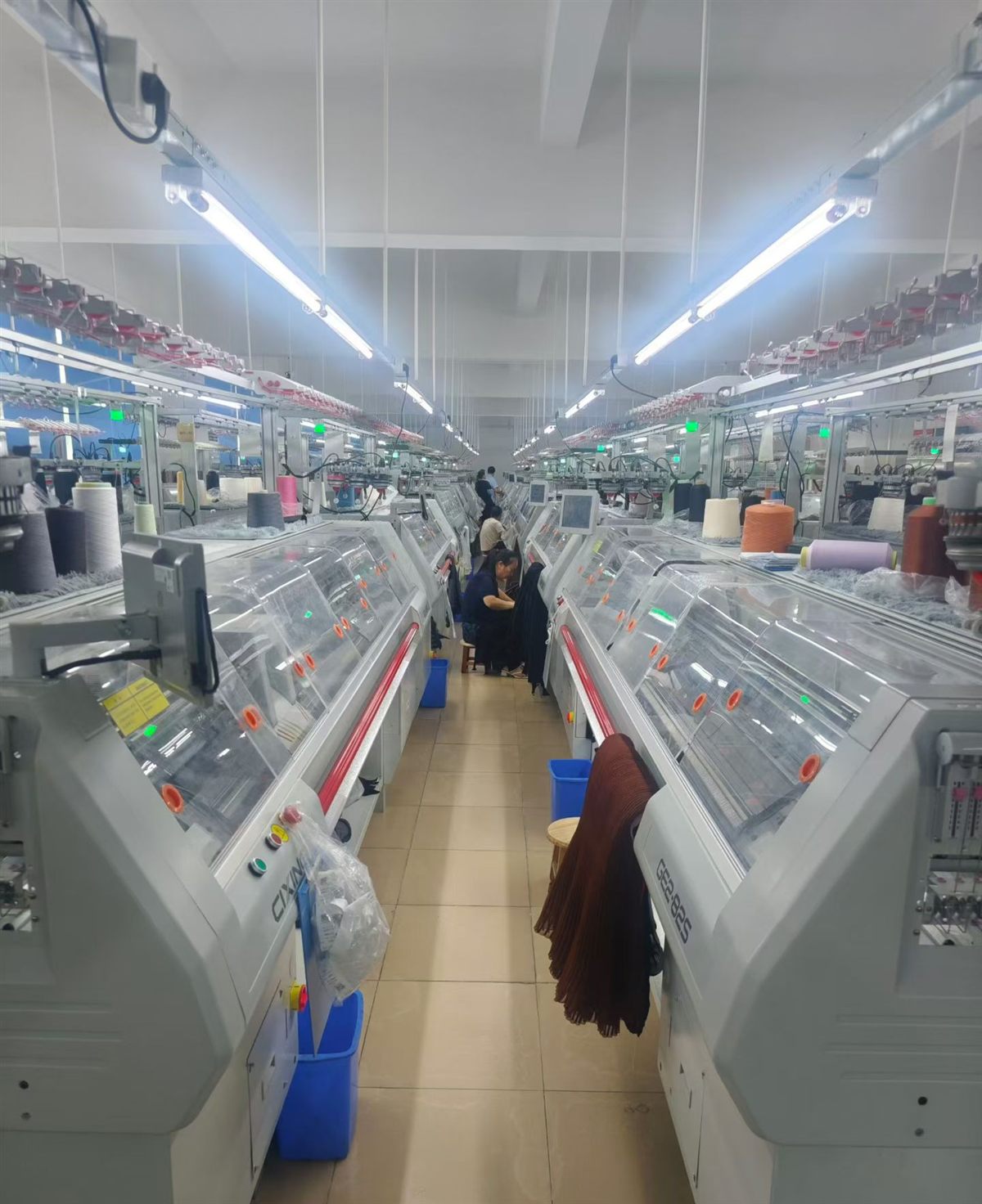
The common assumption is that contamination comes from outside the factory. In practice the main sources are inside the production process:
- Broken machine needles. The primary source. A needle can snap during knitting without stopping the machine, and fragments can be knitted into the fabric or end up loose in the work area.
- Broken cutting blades and hand tools. Trimming scissors, seam rippers and cutting knives also break, and small fragments travel the same way.
- Fasteners and trims. Buttons, snap fasteners, zips and pins — including the pins used to hold garments during handling — are metal and can detach.
- Staples and packaging metal. Carton staples and metal clips occasionally find their way into packed goods.
- Operator jewellery and personal items. Earrings, hair clips and small metal objects have been known to drop into work bins, which is one reason jewellery is restricted on production floors.
What is needle detection and how does it work?
A needle detection machine — also called a metal detector or needle detector — is a tunnel through which each finished, packed garment passes. It generates an electromagnetic field and alarms if it senses ferrous metal above a set sensitivity. Most units also apply a magnetic field to the garment so that non-ferrous metal fragments, which can otherwise pass undetected, are picked up on the subsequent pass.
The key word is every. Detection only provides assurance if it covers the whole shipment rather than a sample, and if the machine is calibrated and tested at defined intervals — typically with a test card containing a known fragment size — to confirm it is still working. A detector that was last verified weeks ago provides very little assurance, because sensitivity drifts.
Effective detection also depends on how the garment is presented. A thick, heavy cable knit passed through quickly at the corner of the aperture is a different test from a thin garment passed through the centre. Tunnel size, belt speed and how the piece is fed all affect what will actually be caught.
What supporting controls should exist on the floor?
Detection is the last line, not the only one. A factory controlling this risk properly will also have:
- Broken needle control procedure. When a needle breaks, production stops, the machine and surrounding area are searched, and all fragments are accounted for against the complete needle. If the count is incomplete, the affected work in progress is quarantined.
- Recorded machine checks. A log showing needle changes, breakages and fragment recovery, signed by the operator and verified by a supervisor.
- Controlled tooling. Tools issued, accounted for and returned — including trimming scissors and any cutting implement that can break.
- Restricted jewellery and pins. Metal jewellery restricted, and pin use either eliminated or strictly controlled and counted.
- Segregated packing area. Packing done away from cutting and trimming, so fragments cannot travel with the goods.
- Documented detection pass. Each carton or each piece recorded as passing detection, with the machine's calibration check noted.
How should a buyer specify needle detection?
It is worth putting the requirement in writing rather than assuming it. Points to state:
- 100% detection of finished, packed garments, not sampling.
- Sensitivity and test method, agreed in terms the factory can hold to — and the interval at which the machine is verified with a test piece.
- Non-ferrous coverage, if your product contains metal trims that make detection harder or if the risk assessment requires it.
- Records to be provided with the shipment — detection logs and calibration checks.
- Critical defect status for any metal found at final inspection, with the handling procedure for a failure.
- Reorder of responsibility if detection is done by a subcontractor rather than the main factory.
These requirements sit naturally alongside the inspection standards in our guide to knitwear quality defects and inspection, which explains how critical, major and minor defects are classified — metal contamination is always in the critical category, meaning zero tolerance rather than an AQL allowance.
What should a buyer check on a first order?
- Ask to see the detector and its log — either during a factory visit or by requesting dated photographs and the calibration record. Our notes on remote supplier verification cover how to do this without travelling.
- Request the detection records with the shipping documents rather than after the fact.
- Ask what happens when the detector alarms — the answer tells you whether the process is real. A factory that re-runs the garment until it passes is not controlling the risk.
- Confirm which facility performs detection, and that it is the same location that packed the goods.
- Include the requirement in the purchase order, so it is enforceable rather than advisory.
For higher-risk programmes — childrenswear, high-value knitwear, or goods going to retailers with strict safety requirements — the detection step is normally verified by a third-party inspection. At YZR Sweaters we work with partner factories holding BSCI, SEDEX and Oeko-Tex certifications, welcome factory audits, and support both full inspection and third-party inspection through firms such as SGS and BV, including verification of metal detection records before shipment.
How does this relate to product safety rules?
Requirements vary by market and buyer, and metal contamination sits within the broader product safety framework rather than being a standalone rule. For children's products the expectations are strictest, and our notes on children's knitwear safety cover how small parts and safety obligations are structured. For adult knitwear, detection is usually a buyer or retailer requirement rather than a statutory one — which is exactly why it needs to be written into the order rather than assumed as standard practice.
Adding a metal detection requirement to a knitwear programme? Send us your specification and destination market, and we will confirm how our partner factories handle detection, records and third-party verification.
Get a free quote Visit yzrsweaters.comFrequently asked questions
Is needle detection a legal requirement for knitwear?
Not as a general rule for adult knitwear — it is usually a buyer or retailer requirement rather than a statutory obligation, which is why it needs to be specified in the purchase order. Children's products attract stricter safety expectations where small parts and contamination risk are treated more seriously. Confirm the position for your specific market and product.
Does 100% detection mean the shipment is guaranteed metal-free?
No. Detection catches fragments above the machine's sensitivity, in garments passed through correctly, with the machine verified and working. Very small fragments or non-ferrous pieces fed at speed through the edge of the tunnel can be missed. That is why detection sits on top of floor-level controls — broken needle procedures, tooling control and a segregated packing area — rather than replacing them.
What should I do if a customer finds metal in a garment?
Treat it as a critical defect: quarantine the remaining stock from the same batch, notify the supplier immediately, and request the detection logs and needle control records for that production run. The records will show whether detection was performed and verified, which determines whether this is a systemic failure or an isolated escape.
Comments
Comments are loading. To enable live comments, see setup notes in the repo.