
Importing Sweaters from China: A Practical Guide for Overseas Buyers
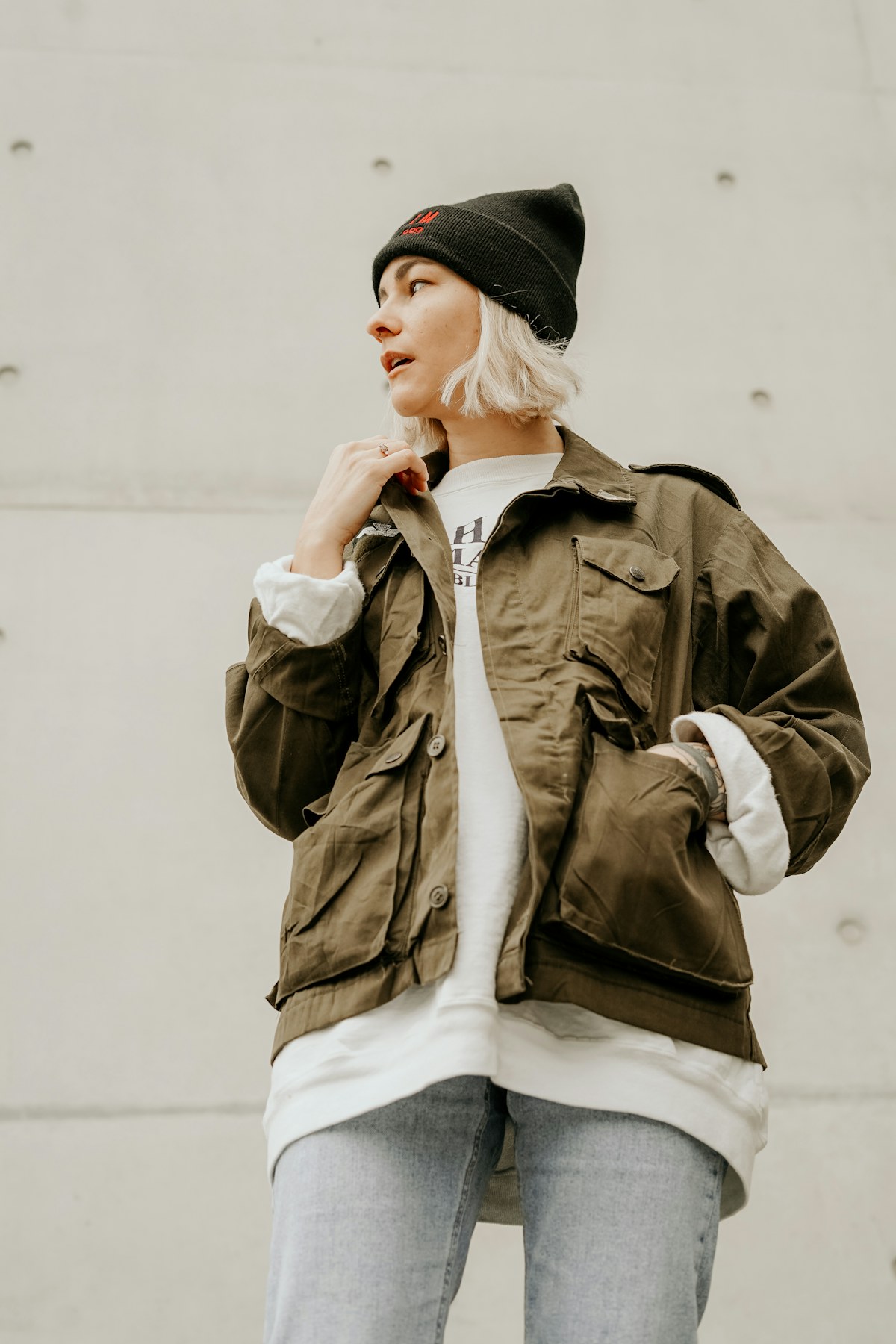
If you buy sweaters for a fashion brand, a wholesale business or an online store, China is very likely already on your radar. It offers strong yarn supply, deep knitwear know-how and prices that make sense for volume. But importing for the first time, or rebuilding a fragile supply chain, comes with a lot of moving parts. Here is how to work through each stage and keep the risk down.
Why source knitwear from China and Dongguan
China is one of the world's largest producers and exporters of sweaters and knitted garments, and Dongguan in Guangdong is a hub within that trade. The practical advantages matter for a buyer:
- Yarn availability — a wide range of wool, cashmere blends, acrylic, cotton and viscose, so you can match a look without waiting on imported material.
- Flexible production — factories here are used to both small sample runs and larger bulk orders.
- Strong OEM/ODM capability — most suppliers can build from a photo, a sketch or a full tech pack.
That combination of material access, skilled labor and flexible order sizes is why buyers keep coming back.
Finding the right China sweater supplier
Supplier selection is the single biggest risk in the whole process. Take it slowly and verify before you commit money.
- Use trade platforms, industry directories and referrals from other buyers.
- Shortlist suppliers whose product range matches yours — knitwear is a specialist trade.
- Ask for certificates, factory photos and export experience to your market.
- Start with a small trial order rather than a big one on trust.
Visit the factory if you can, or request a video walkthrough of the production floor. A transparent partner is happy to show you how they work.
Sampling: the step you should never skip
Sampling is where you catch problems at low cost instead of discovering them in a full container. A good supplier will develop a prototype from your reference and send it for approval.
- Provide a clear reference: style photo, competitor sample, drawing or tech pack.
- Confirm yarn, gauge, colors, fit and any stitch details before approval.
- Approve the sample in writing before bulk starts.
- Keep the approved sample as the benchmark for quality inspection later.
Expect sampling to take a little time — it is worth it, because this is where the final product is defined.
Pricing, negotiation and the contract
Once the style is clear, get pricing and terms in writing. Price depends on yarn, gauge, detail, quantity and finishing. Be clear about what is included so there are no surprises later.
- Confirm the unit price and whether it is FOB, CIF or DDP.
- Confirm MOQ and whether you can start lower for a first order.
- Set lead times for sampling and for bulk production.
- Agree on what happens with defects, delays or packaging changes.
A simple written contract or a clear proforma invoice protects both sides. You do not need a long document, but you do need the key terms stated clearly.
Payment methods: T/T and L/C
Two payment methods dominate garment sourcing.
- T/T (bank transfer) — the most common. Typically a deposit to start production and the balance before shipment. Simple, but you rely on the supplier to follow through.
- L/C (letter of credit) — the bank guarantees payment once documents are presented. Safer for larger orders and for first-time or higher-risk dealings, at the cost of more paperwork and bank fees.
If you are using T/T, a third-party inspection before the final payment is a practical way to protect yourself.
Quality control and inspection
Do not skip inspection. For garment orders it is standard and inexpensive relative to the risk.
- Agree on a quality standard and inspection point (mid-production or pre-shipment).
- Check sizing, stitching, yarn consistency, color matching and finish.
- Confirm labels, hang tags and packaging match your spec.
- Use an independent inspection company if you are not on the ground.
This is how you make sure the cartons that arrive match the sample you approved.
Shipping, customs and duties
How you move the goods depends on volume and urgency. Sea freight is the cheapest for bulk but slower; air freight is faster and costs more, best for smaller or urgent orders; courier works well for samples. On customs, be ready for HS codes, a commercial invoice, packing list and possibly a certificate of origin. Duties vary by product and destination, so check the tariff classification for your region and build it into your landed cost.
Common mistakes to avoid
Most sourcing problems share a few roots. Approving a sample too quickly and leaving details vague, choosing a supplier on price alone, forgetting to budget for inspection and freight, and not agreeing terms in writing are the usual ones. Work with a supplier who communicates clearly and is prepared to be transparent about the process.
Finding a reliable knitwear partner
If you are sourcing sweaters, a partner who understands both knitwear and export logistics makes the process easier. A Dongguan knitwear manufacturer with OEM/ODM experience can take you from reference and sampling through bulk production, quality inspection and export documentation — reducing the guesswork so you launch on schedule.
Market-specific requirements matter once the goods land, and our guide to the US market covers what American buyers expect.
Ready to source knitwear from China? Send us your reference, target quantity and delivery terms and we will respond with pricing, lead times and a sampling plan.
Get a quote: daniel@yzrsweaters.com Visit yzrsweaters.com