
Selling Knitwear into South Korea: What Importers and Brands Need to Know
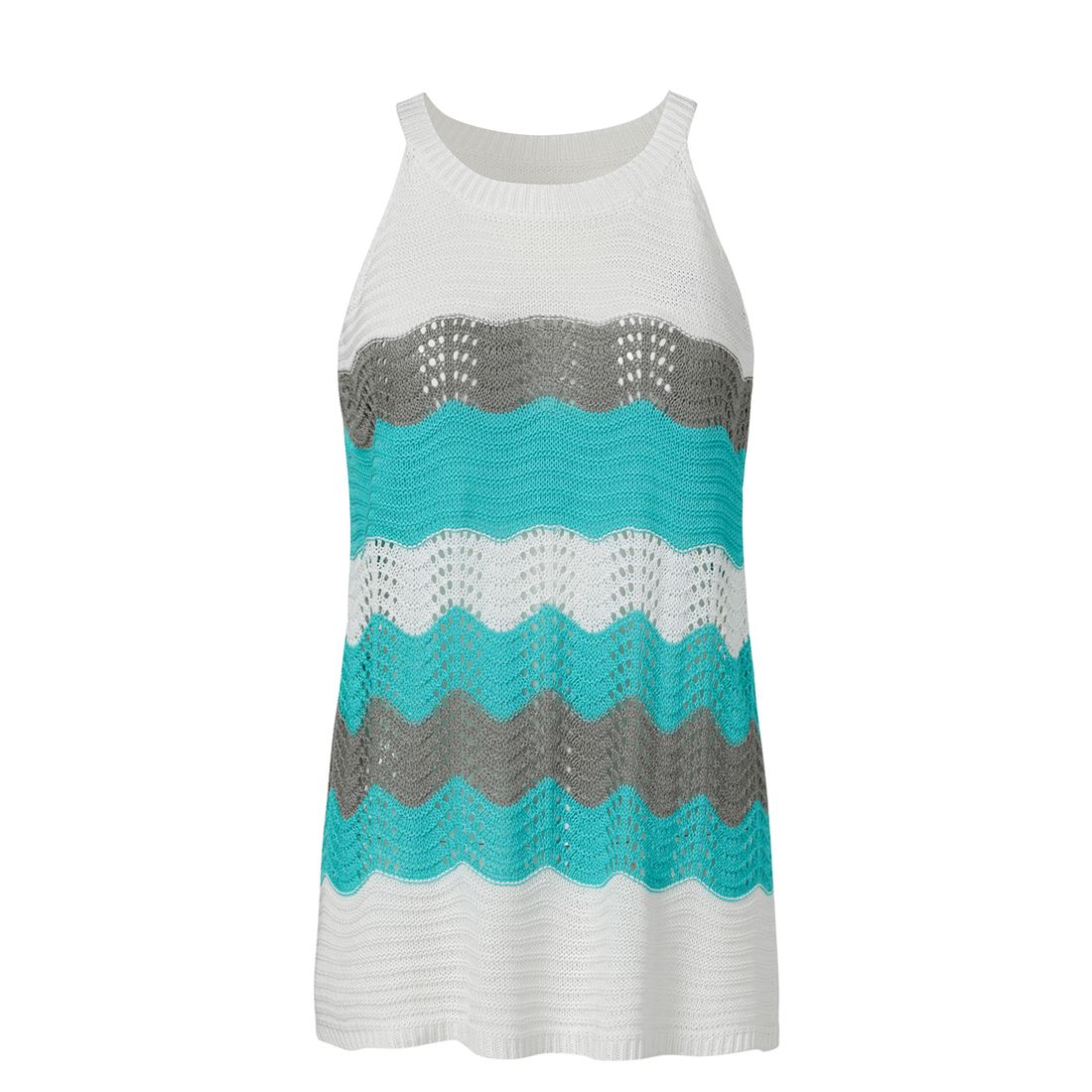
Quick answer
South Korea is a sophisticated, trend-fast knitwear market with short lead-time expectations and high quality standards. Knitwear imported from China currently benefits from reduced duties under the China–Korea FTA. The essentials to get right: Korean sizing (numeric, not S/M/L), a Korean-language care and fibre content label, KC safety confirmation for children's wear, and quality that survives Korean consumers' famously sharp eye for pilling and loose threads.
Korea doesn't get the attention that Japan or the US get in sourcing conversations, but for knitwear it's one of our favourite markets to serve: consumers buy knitwear heavily, trends move fast (which rewards factories that can turn quickly), and once a Korean buyer trusts your quality they reorder for years. But it's also a market that punishes sloppy execution harder than most. Here's the practical picture from shipping Korean-bound orders out of Dongguan.
The market in brief
Korean consumers treat knitwear as a year-round category — lightweight knits and sleeveless knits sell through spring and summer in a way they don't in most Western markets. A few structural notes:
- Fast trend cycles. Domestic giants and livestream-driven commerce mean trends can turn in weeks. Buyers increasingly split orders: a first drop, then chase orders on winners. That favours factories set up for replenishment rather than single giant runs.
- Quality bar is high. Korean return rates for loose threads, pilling and size inconsistency are among the toughest we see. If your QC standard is "AQL 2.5 and hope," expect a painful first season. Budget for proper pre-shipment inspection.
- Fit leans slim and cropped. Korean womenswear knitwear trends toward shorter body lengths and slimmer sleeves than US/EU blocks. Don't assume your Western pattern block translates.
Sizing: numeric, and different from Japan
Korean apparel sizing is numeric (44, 55, 66, 77 for women — roughly XS to L) rather than letter-based. A Korean 55 is close to a Japanese 9 or a US 4–6, but Korean consumers expect the numeric label. Two practical implications:
- Ask your buyer whether they want numeric Korean labels or standard S/M/L — both exist in the market, but domestic-facing brands overwhelmingly use numbers.
- Re-grade rather than relabel. Simply renaming your S as "55" without checking the grade rules against a Korean size chart is the classic first-order mistake. Korean body length and shoulder expectations differ enough to matter. See also our notes on size naming conventions across markets.
Labels, language and certification
Korea requires a Korean-language label with fibre content, care instructions, country of origin, and the importer's details. The care symbols follow the KS K standard, which aligns loosely with ISO but has its own icon set — don't reuse your EU care label artwork without checking. Our care labelling rules guide covers the general framework; for Korea specifically, have your importer confirm the label text, because the legal responsibility sits with them and they will want to review it anyway.
On certification: adult knitwear does not need KC marking, but children's knitwear does fall under KC safety confirmation (chemical safety — formaldehyde, azo dyes, pH — and small-parts rules for under-36-month garments). If you're shipping kids' sweaters, the test report from a KC-recognised lab must exist before the goods clear. We arrange these through accredited labs in Guangzhou; allow two to three weeks and budget it into the development cost.
Duties and logistics
Under the China–Korea FTA, most knitwear (HS 61) from China now enters Korea at reduced or zero duty — the phase-down schedule has run for a decade and most knitwear lines are at or near zero. Claiming it requires a proper certificate of origin, which we issue with the shipment documents; see HS codes and duties for sweater imports for how classification drives the rate. Geography helps too: sea freight from Shenzhen to Busan is two to four days, and air freight is next-day, which is why Korea is one of the few markets where genuine fast-response reordering from China works.
One quirk worth knowing: Korean customs inspects declared values carefully, and under-declaration is a fast way to get a shipment held and a buyer blacklisted. Declare honestly; the FTA rate makes honesty cheap.
At YZR Sweaters we've shipped knitwear to Korean brands and importers since 2019 — women's fine-gauge knits mostly, plus kids' styles with KC test reports arranged on our side. Our partner factories in Dongguan (BSCI, SEDEX, Oeko-Tex certified) are used to Korean QC expectations, and we build the Korean numeric sizing and Korean-language label requirements into the tech pack stage rather than discovering them at inspection.
Developing knitwear for the Korean market? Send us your styles and target quantities — we'll come back with size-set recommendations, labelling requirements and a landed-cost estimate including the FTA duty rate.
Get a free quote Browse our knitwear rangeFrequently asked questions
Do I need KC certification for adult sweaters sold in Korea?
No. KC safety confirmation applies to children's textiles (especially under 36 months), not adult apparel. Adult knitwear needs the correct Korean-language fibre content, care and origin label, plus honest customs declaration — but no pre-market certification.
What duty rate applies to Chinese knitwear entering South Korea?
Most knitwear classified under HS chapter 61 now enters at zero or near-zero duty under the China–Korea FTA, provided you supply a valid FTA certificate of origin. Without the certificate, the MFN rate (commonly 8–13%) applies — so make sure your factory issues the certificate with every shipment.
How do Korean sizes convert to US/EU sizes?
As a rough map for women: Korean 44 ≈ US 2 / EU 34, 55 ≈ US 4–6 / EU 36, 66 ≈ US 8 / EU 38, 77 ≈ US 10–12 / EU 40. But don't just relabel — Korean fit expectations on body length and shoulder width differ, so have the block reviewed against an actual Korean size chart before grading.