
Buying Knitwear for France, Italy and Spain: A Southern Europe Guide
Quick answer
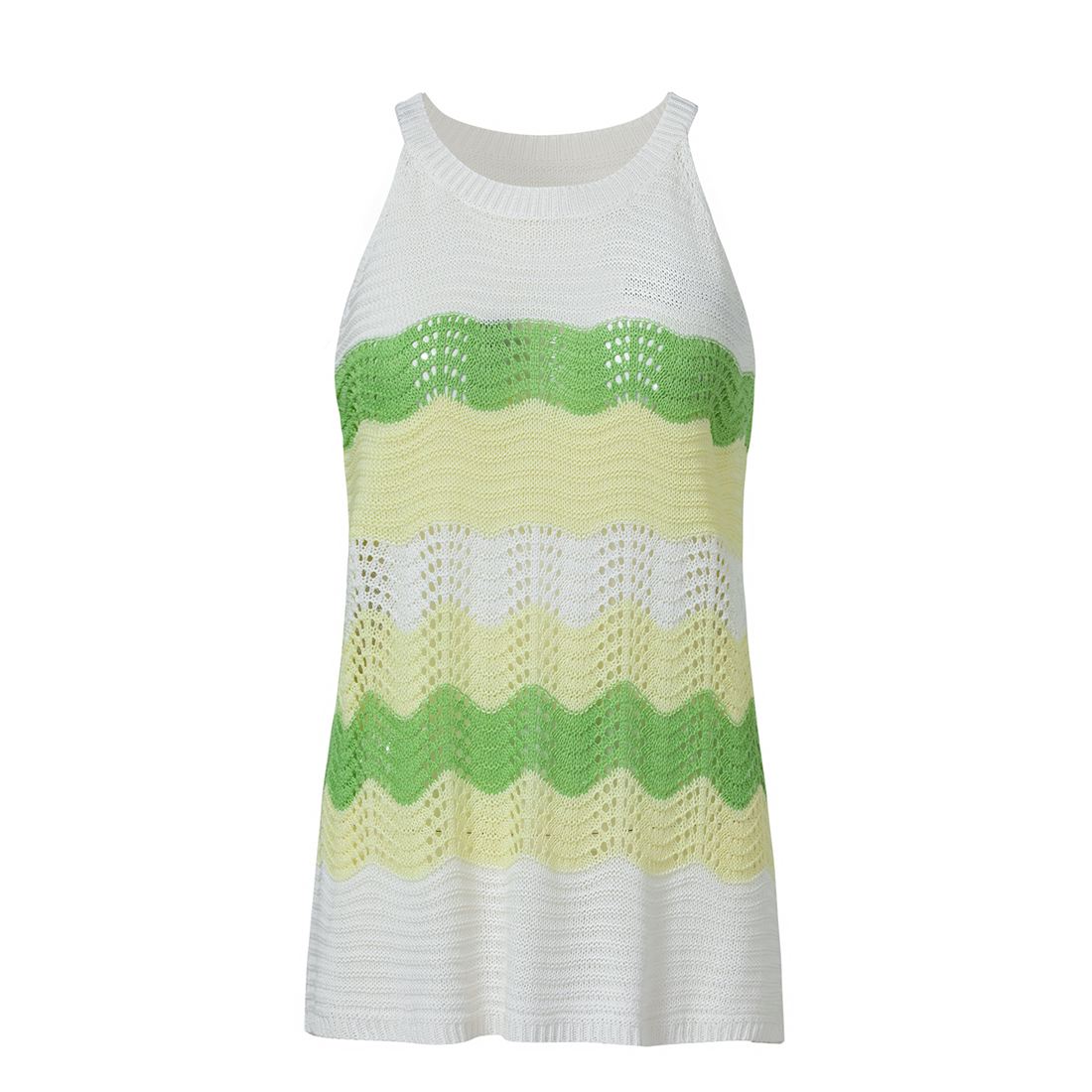
Southern Europe is not "Europe but warmer" — it is a distinct knitwear market. Mild, short winters and long warm shoulders shift demand towards fine gauges, cotton and linen blends, and knitted tops that behave like summer garments; the heavyweight chunky programmes that drive Northern European buying are a minority of volume. Retail is dominated by Inditex in Spain, brand-led boutiques and private label in Italy, and department stores plus mid-market chains in France — each with different price points, lead-time expectations and compliance layers on top of the standard EU rulebook.
Buyers who run one "European" range across Germany, France and Spain usually find the same pattern in their sell-through: the chunky lambswool that flies in Hamburg sits in Madrid, and the fine cotton knit that was an afterthought in the North is the bestseller in the South. Southern Europe rewards a deliberately different buy. Here is what we have learned shipping into France, Italy, Spain and Portugal from Dongguan.
Climate rewrites the product brief
Rome's average January temperature is around 8°C; Madrid drops lower at night but spends long stretches of the year above 25°C; coastal Portugal and southern Spain are milder still. For knitwear that means:
- Fine gauges do the volume. 12gg and 14gg styles in cotton, viscose blends and light merino carry the range. The 3–5gg chunky category exists, but it is a November–January window, not a season.
- The real season is spring. Knitted tops, polos, tanks and light cardigans sell from March through June — treat the region's spring/summer programme with the same seriousness as autumn/winter. Our notes on spring-summer knitwear sourcing apply here in full.
- Yarn choice follows humidity as much as heat. Mediterranean summers are dry in the interior and humid on the coast; cotton and cotton/linen blends handle both better than acrylic, which reads "sweaty" to a Southern European customer. Lightweight wool is appreciated in Italy in a way that surprises buyers used to UK wool weights.
What differs country by country
- Spain. Inditex (Zara, Massimo Dutti and the rest) sets the market's rhythm: fast cycles, trend-led product, sharp price points. Independent brands compete by being quicker or more niche. Buyers here ask about lead time before they ask about anything else, and they mean it.
- Italy. The deepest knitwear culture in Europe — Italians invented a good part of the category and can spot a cheap finish at ten paces. Hand feel, linking quality and colour sophistication matter more than shaving the last cent; "made well" outsells "made cheap" outside the discount tier. Expect detailed questions about yarn and finishing that other markets never ask.
- France. Split between department-store and mid-market chains on one side and a strong independent boutique scene on the other. The classic Breton-stripe-adjacent, clean, wearable knit is a permanent fixture — but France also leads the EU on sustainability legislation, which changes what you must put on and around the garment (below).
- Portugal and Greece. Smaller volume, mild winters, price-sensitive mid-market. Portugal's own knitwear industry is a serious competitor for fast, small runs — where we win against it is on price for volume, not on two-week turns.
Compliance: the EU baseline plus local extras
Everything in our EU sustainability rules overview applies, but Southern Europe adds layers worth knowing:
- France is the strictest: the AGEC law's anti-greenwashing rules, environmental labelling experiments on textiles, and EPR (extended producer responsibility) registration for textiles are live obligations, not proposals. If you sell into France, budget for EPR registration and be careful with any "eco" claim on packaging.
- Spain runs textile EPR under its own waste law, and Italy applies EPR-style requirements alongside strict fibre-name rules in Italian on the label.
- Languages on labels are national law, not courtesy. Composition and care in French for France, Italian for Italy, Spanish for Spain. Build the multi-language label once and reuse it across the region.
Planning the buy from China
- Split the calendar. A Southern European programme needs two genuine seasons. Work backwards from March deliveries for spring and September for autumn using the same discipline as any sweater buying calendar — but do not skip spring, which is where this region differs most from the North.
- Sea freight is the default, air is the fast-fashion tax. Transit to Barcelona, Genoa or Marseille runs roughly 28–35 days port-to-port; Spanish fast-cycle buyers budget air freight for repeat styles and sea for the volume, exactly like the trade-off in our air-versus-sea comparison.
- MOQ reality. Boutiques and smaller Spanish/Italian brands often want 100–300 pieces per colour. That is workable with stock service yarn and sensible colour counts — the same mechanics as any low-MOQ programme.
At YZR Sweaters we ship into France, Italy and Spain every season, and we know the shape of the brief before it arrives: fine gauges, natural-fibre blends, two real seasons, multi-language labels, and — for France — the paperwork done properly. Our partner factories in Dongguan (BSCI, SEDEX, Oeko-Tex certified) run small and large programmes side by side, so a 200-piece boutique order gets the same sampling discipline as a chain-store volume run.
Building a range for France, Italy, Spain or Portugal? Send us the market, the channel and the target price points, and we will come back with a realistic yarn, gauge and calendar proposal.
Get a free quote Visit yzrsweaters.comOr reach us directly: daniel@yzrsweaters.com · WhatsApp +86 137 2449 4230 · Dongguan, China
Frequently asked questions
Can I run one knitwear range for all of Europe?
You can, but expect lopsided sell-through. Heavyweight and chunky styles earn their space in Northern Europe and underperform in the South, while fine-gauge cotton knits do the reverse. Brands that cover both regions usually run a shared core of mid-weight styles plus region-specific top-ups — the yarn and gauge split costs little extra at the factory if it is planned as one programme from the start.
How fast can a China-based supplier really serve Spain's fast-fashion cycle?
Honestly: not Inditex-fast for new development, and nobody in China is. The workable model is fast repeats — get the style developed and approved, then run reorders in 4–6 weeks by sea or under two weeks by air. Buyers who plan their Southern European fast cycle around repeat styles rather than constant new development find the economics work well.
Do I need different labels for France, Italy and Spain?
The legal content is the same EU framework, but the language requirements are national: composition and care information must appear in French, Italian and Spanish respectively. Most brands solve this with one multi-language woven or printed label covering all three (plus English), which is cheaper and simpler than three market-specific runs — just make sure the French version also satisfies France's current environmental-claim rules.