
Selling Knitwear to the Southern Hemisphere: A Reverse-Season Buying Guide
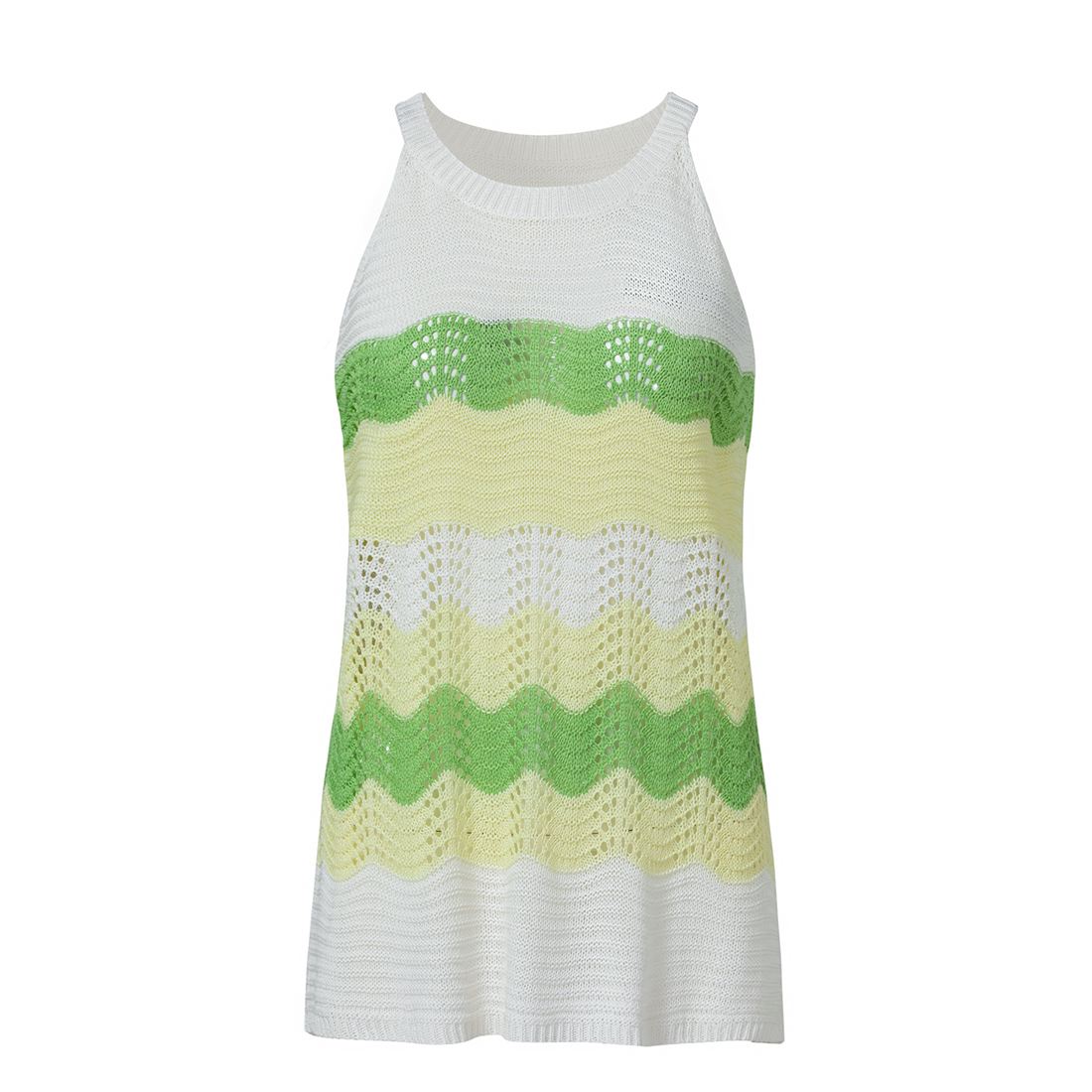 Views: 0
Quick answer
The southern hemisphere's autumn/winter runs opposite to the northern one, so markets such as Australia, New Zealand, South Africa and South America place knitwear orders in the months when northern factories are at their quietest. Buyers who plan a reverse-season program around that window generally get more relaxed capacity, better access to yarn and colours, and more dependable delivery dates.
Most knitwear ranges are planned around a northern hemisphere calendar, which is why the industry's busiest weeks are so predictable: everyone wants the same machines at the same time. The southern hemisphere buys on the opposite rhythm. For a brand or retailer in Sydney, Auckland, Johannesburg or Santiago, that offset is not a scheduling problem to work around — it is a commercial opening worth planning deliberately.
Why is a counter-season knitwear order an advantage?
Counter-season knitwear means production ordered for a season that runs opposite to the northern hemisphere's. Southern autumn/winter orders reach the mill while European and North American buyers are shipping winter goods and starting spring development. That shifts four things:
- Machine capacity — equipment committed in the northern peak is usually available, so production slots are easier to secure.
- Yarn and colour — off-peak orders compete with fewer programs for the same yarn lots.
- Sampling attention — calmer sample rooms mean development rounds move faster.
- Delivery reliability — less competition for finishing capacity means fewer late shipments.
A factory with a full northern order book has a commercial reason to fill the gaps.
Which southern hemisphere markets matter for knitwear?
- Australia — a large, fashion-driven market where coastal winters are generally mild. Natural fibres, fine and mid-gauge knits and layering pieces typically do well.
- New Zealand — cooler and more genuinely wintry, with a strong outdoor culture. Wool-rich knits, beanies, scarves and heavier gauges sit closer to the centre of the range.
- South Africa — a market of contrasts: highveld winters are cold while coastal regions stay mild, so ranges usually need both fine-gauge and chunkier options.
- Chile, Argentina and Uruguay — the southern cone has a real winter, and mid-to-heavy knitwear and wool blends generally sell.
- Brazil and Peru — mostly warm, so knitwear concentrates in lighter weights, resort pieces and the cooler south. Peru is also a significant alpaca producer.
These are general tendencies, not rules. Test them against your own sell-through before committing a full range.
How does the southern season timing work?
Southern hemisphere autumn/winter typically falls in the middle months of the year, broadly mirroring the northern spring/summer period, and southern spring/summer sits opposite the northern autumn/winter. The consequence is a mismatch: a southern retailer places its winter bulk order while northern brands are still finalising spring programs.
The planning sequence itself does not change — range, sample, approve, book yarn, produce, ship — it simply shifts to the other half of the year. Our knitwear buying calendar sets out that sequence in full. Confirm exact windows with your supplier, because yarn lead times, dyeing slots and Chinese New Year move from year to year.
What product mix fits a southern autumn/winter?
Mild coastal climates
Sydney, Perth, Auckland and Buenos Aires rarely need heavy knitwear. Fine-gauge wool and cotton blends, cardigans, knit vests and mid-weight pullovers worn as outerwear do most of the volume. Lightness matters more than warmth.
Colder inland, southern and high-altitude markets
New Zealand's South Island, southern Chile and Argentina, and the South African highveld get genuinely cold. Chunkier gauges, wool-rich blends, cable and rib structures, plus hats and scarves, carry the range there.
Transition pieces
A southern autumn often opens warm and cools gradually, so the most useful styles layer easily: open cardigans, lighter crew necks and fine knits that sit under a jacket.
How should a buyer run a reverse-season program?
- Give the factory a two-season view — show your southern autumn/winter assortment alongside any northern business so machine time is planned across the year.
- Confirm design direction early — approving colours, yarns and trims ahead lets the mill buy yarn in a quieter market.
- Use the quiet window for development — first-time styles benefit most from a calmer sample room.
- Book inspection and freight early — production may be off-peak, but inspection companies run their own calendars.
- Keep a repeat core — carry-over styles let you reorder quickly when a colour sells out mid-season.
What do southern hemisphere buyers usually worry about?
- Distance and transit — southern routes can be longer and less frequent, so sweater ocean freight and container planning matter more than they do for a European buyer.
- Order size — a first order into a new market is often small, so understand what MOQ means for a first order before approaching a mill.
- Local taste and fit — a style that sells in Europe may not work in Australian or South African retail; approve fit on a live sample.
- Sizing conventions — AU/NZ and South African scales do not match US or EU scales, so confirm the grading you need.
- Compliance paperwork — regional retailers increasingly ask for fibre content, care labelling and chemical safety documentation.
Working the other half of the year with YZR Sweaters
As a Dongguan knitwear manufacturer, YZR Sweaters runs OEM and ODM programs — original equipment manufacturing, where you supply the design, and original design manufacturing, where we develop it — for brands, wholesalers and online retailers on both sides of the season, with sampling, flexible MOQ (minimum order quantity) and production slots planned across the year. Our partner factories are certified to BSCI (Business Social Compliance Initiative), SEDEX and Oeko-Tex standards, welcome factory audits, and accept full inspection and third-party inspection by SGS or BV. Send us your range plan and we will confirm the production window, sampling schedule and yarn options before you commit.
Planning a southern hemisphere autumn/winter range? Send us your styles, target weights and delivery window — we'll reply with a quote and an off-peak production plan within one business day.
Get a free quote Visit yzrsweaters.comFrequently asked questions
Does buying knitwear out of season actually reduce cost?
Not automatically. Yarn, labour and overhead do not change because your order arrives in a quiet month, so the headline unit price is often similar. The real gain usually appears in scheduling: more sampling rounds inside the same lead time, fewer air-freight emergencies, and less risk of a late shipment that turns your range into markdown stock.
Can one factory serve both a southern autumn/winter and a northern spring range?
Yes, and that is exactly how the season gap is used. A mill can run southern autumn/winter knitwear during the northern spring and summer window, then switch to northern autumn/winter orders in the second half of the year. Running both smooths the factory's own year, which is why off-season buyers are welcome rather than tolerated.
How should a southern hemisphere buyer handle sizing?
Supply a measurement chart from your own market rather than relying on a standard size set, because AU/NZ and South African sizing does not map cleanly onto US or EU scales. Ask for a fit sample in your base size, confirm grading across the range, and check that the factory has produced for your region before.
Comments
Comments are loading. To enable live comments, see setup notes in the repo.