
Sweater Sleeve Construction: Set-In, Raglan, Drop Shoulder and Dolman
Quick answer
Sleeve construction is the decision that determines how a sweater sits on the shoulder, how much yarn it uses, and how much it costs to make. Set-in gives a tailored shoulder and the tidiest line; raglan moves the seam diagonally to the neck for comfort and a sporty look; drop shoulder deliberately oversizes by setting the seam onto the upper arm; dolman cuts body and sleeve in one piece for a soft drape. The choice is pattern-level, not a detail to be left to the factory.
Two sweaters can share the same chest, the same yarn and the same stitch, and still feel completely different when worn — because the sleeve is attached differently. Buyers tend to specify sleeve construction with a word like "raglan" or "relaxed shoulders" and leave it there, which is how a style that looked right on a line sheet arrives looking wrong on a body.
What is set-in sleeve construction?
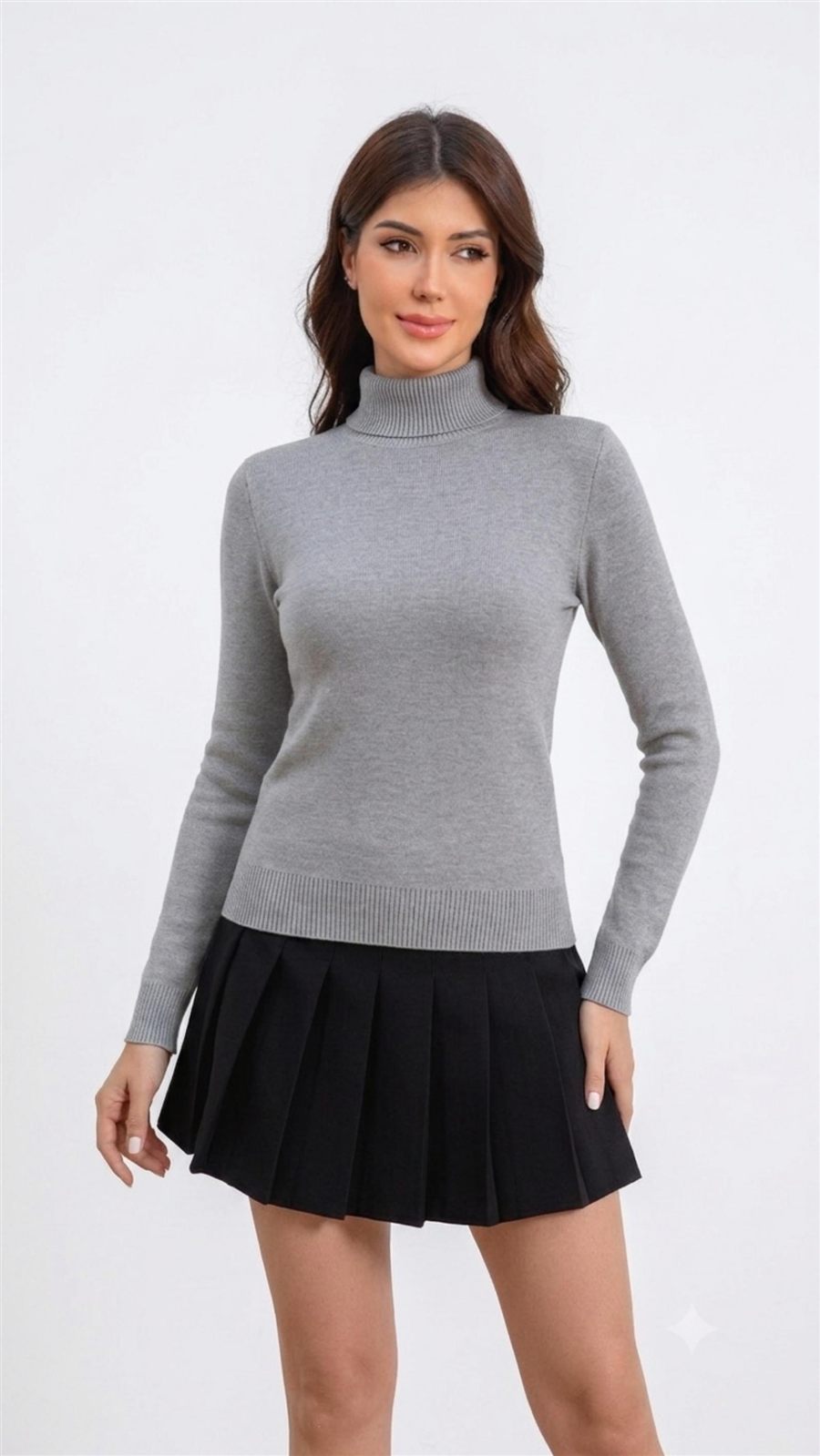
The conventional tailored shoulder. The body is knitted with a shaped armhole, the sleeve is knitted to a matching curve, and the two are joined at a seam that sits on the shoulder point. Because both pieces are shaped, the sleeve follows the natural angle of the arm and the shoulder line stays clean.
Set-in gives the most structured fit and the closest to a woven garment's shoulder. It is the default for classic crew necks, fine-gauge knits and anything sold as a tailored or polished piece. The trade-offs are that it takes more shaping, more linking skill and slightly more yarn than an unshaped alternative, and the armhole seam is where a poorly linked sweater shows it — our notes on linking quality explain why.
What is raglan sleeve construction?
The diagonals from underarm to neck, familiar from baseball shirts and sportswear. The sleeve extends to the neckline, so there is no shoulder seam in the conventional place; instead the seam runs from underarm to the collar on both front and back.
The reason raglan endures is movement. With no horizontal seam at the shoulder, the sleeve can swing with the arm without pulling across the chest, which makes it comfortable for outerwear, activewear and anything worn over another layer. It also suits extended sizes well, because the shoulder line is not fixed to a specific width in the same way. Visually, raglan reads casual and sporty, and the diagonal is a design feature in itself — a contrast sleeve or a cable running along the raglan line is a classic use of the seam. For buyers specifying measurement, shoulder width has to be redefined on a raglan, since there may be no conventional seam to measure between.
What is drop shoulder construction?
The deliberate opposite of tailoring. The body is knitted with a straight, wide shoulder, and the sleeve hangs from a seam set partway down the upper arm. This is the construction behind most of what the market calls oversized, relaxed or slouchy — a designed proportion, not a sizing mistake.
Drop shoulder is the simplest route to produce, because neither body nor sleeve needs armhole shaping. The catch is fit risk: with a fixed-width shoulder and no armhole shape, a size-up adds width everywhere without adjusting the armhole, which is why drop-shoulder styles can look bulky on small sizes and tight at the neck on large ones. Our notes on silhouettes and fits describe this effect.
Because "relaxed fit" and "oversized" are used loosely in line sheets, a drop-shoulder style should be defined by the actual shoulder measurement and the intended seam position rather than the adjective. Two buyers saying "oversized" may mean a modest drop of an inch or a full sleeve-shoulder that lands near the elbow.
What is dolman or batwing construction?
Body and sleeve are knitted as one piece, so the garment widens continuously from waist to sleeve opening and there is no armhole seam at all. The silhouette drapes softly and reads as relaxed and slightly retro.
Dolman is simple to construct and comfortable, but the fit is the least precise of the four and the unbroken width means the garment can feel bulky on the upper body. It suits open, drapey styles, often in lighter yarns, and works best on a buyer who wants the shape specifically rather than as a shortcut.
Two related choices travel with sleeve style and deserve naming: the saddle shoulder, a narrow panel extending from the neck over the shoulder point, which gives some of raglan's movement while keeping a defined shoulder line; and the sleeve cap shape, which on a set-in determines how high and rounded the sleeve head is, and so how much room there is at the underarm.
How does sleeve construction affect cost and yarn use?
Three commercial consequences follow from the choice, and they usually outweigh the aesthetic ones in the final decision.
- Yarn consumption. Shaped constructions — set-in above all, and raglan to a degree — require more knitted area and more waste at the armhole than unshaped ones, so they consume more yarn at the same nominal size. Our guide to yarn consumption per sweater explains how the figure is estimated.
- Make-up cost and skill. Set-in requires shaped panels and accurate linking at a curving seam, the most demanding of the four. Drop shoulder and dolman need far less shaping and are more forgiving to assemble, which is part of why relaxed shapes dominate lower price points.
- Fabric and finishing. A shaped armhole means more cut edges and more opportunities for distortion, so a set-in construction puts more weight on the finishing process. The general route — fully fashioned or cut and sew — interacts with this, as our notes on construction routes explain.
How should a buyer specify sleeve construction?
- Name the construction in the tech pack and add the measurement that defines it. "Drop shoulder, shoulder seam positioned 2 inches onto the upper arm" tells a factory what to knit. "Relaxed shoulder" does not.
- State the shoulder measurement per size, not once. On drop shoulder and raglan especially, the shoulder figure is the fit decision, and it has to be graded rather than copied.
- Check the armhole on a body, not a hanger. Armhole depth and sleeve cap determine comfort, and they are invisible flat. Have the sample tried on before approval.
- Match the sleeve to the yarn and gauge. A fine-gauge merino and a chunky lambswool behave differently in the same construction, so a style copied across yarns should be re-approved rather than assumed.
- Decide where the seam sits on the approved sample and photograph it. A photo of the shoulder join removes more ambiguity than a paragraph of description.
- Keep the measurement method consistent. Sleeve length runs from the shoulder seam on a set-in and from the high point of shoulder on a raglan; a chart that does not say which will produce disputes, as our notes on measuring a sweater explain.
At YZR Sweaters we work with partner factories holding BSCI, SEDEX and Oeko-Tex certifications, welcome factory audits, and support third-party inspection through firms such as SGS and BV. Sleeve construction is one of the first things we confirm on a new style, because it drives the pattern, the yarn estimate and the price together — and agreeing it at the brief stage is cheaper than changing it after the first sample.
Specifying a sleeve construction and unsure how it will sit, price or behave in your yarn? Send us the style and the shoulder you have in mind, and we will come back with the construction options and their cost.
Get a free quote Visit yzrsweaters.comFrequently asked questions
Is raglan more expensive than set-in?
Usually slightly less, because the sleeve extends to the neck rather than being shaped into a curved armhole, and shaping is the labour-intensive part of knitwear assembly. Both use more yarn than an unshaped drop shoulder. The difference is small per garment but visible across a large order, and it should be quoted rather than assumed.
Can I offer the same style in both drop shoulder and set-in?
Yes, and many ranges do, but they are different patterns rather than two versions of one. Changing the construction changes the yarn estimate, the measurements and the grading, so each needs its own sample and its own approved chart rather than a shared specification.
Why does my drop-shoulder sweater look tight at the neck in large sizes?
Because the shoulder width is fixed while the body grows. With no armhole shaping, grading usually adds width across the garment without adjusting the armhole or neck proportionally, so larger sizes end up wide in the body and cramped at the neck and upper arm. It is a pattern issue, and it is corrected by grading the shoulder and armhole deliberately rather than scaling the whole pattern.