
Hand Linking vs Machine Linking: The Craft Behind Sweater Seams
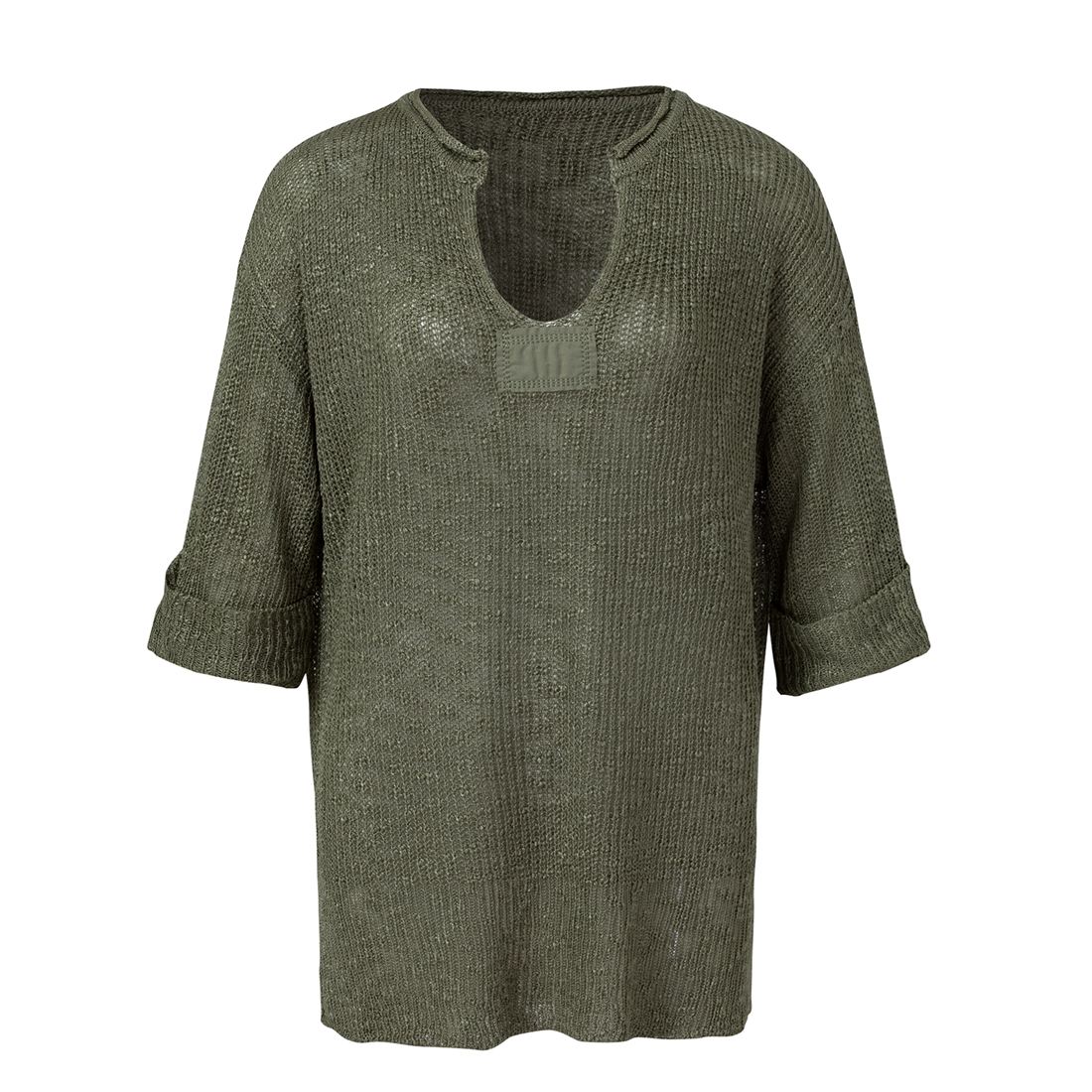 Views: 0
Quick answer
Linking is the step that joins knitted panels — neck, shoulders, sleeves and body — into one finished garment, loop by loop. Hand linking gives the flattest, most elastic seams but costs more; machine linking is faster and cheaper with slightly less finesse. Because shoulders and necklines carry load and sit against the skin, their linking quality decides how a sweater looks two years on.
Most buyers judge a sweater by its yarn, its colour and its price. Few ask how the panels were joined — yet linking is where a knitted garment is actually made. Separate panels are still just fabric; linking turns them into a sweater that keeps its shape through years of wear and washing. Knowing the difference between hand linking and machine linking helps you order the right construction at the right cost.
What is linking in knitwear?
Linking is the garment-assembly step that joins two knitted pieces loop by loop: the stitches of one panel are picked up one at a time and intermeshed with the stitches of the other, usually on a linking machine fitted with a circular bed of points. The finished join reads as a continuation of the knitted fabric rather than as a sewn line.
This is what separates knitwear from cut and sew — a method where woven fabric is cut into panels and stitched, which works because woven cloth holds its structure once cut. A knitted panel is a chain of live loops: if the join fails to catch every loop, the fabric can ladder and the seam can pull open. That is why a knitting factory treats linking as a skilled operation in its own right, and why linking capability deserves as much attention as knitting machines when you evaluate a Dongguan knitwear manufacturer or any other supplier.
How does hand linking differ from machine linking?
Both methods aim for the same result — two panels behaving as one fabric — by different routes.
Hand linking: the premium finish
In hand linking, an operator transfers each loop onto the points of the linking disc by hand and closes the row with a thread that reproduces the fabric's own stitch. The seam has no ridge, keeps the full stretch of the knit, and is hard to feel against the skin. This is why premium wool, cashmere and fine-gauge programs specify it. Gauge — the density of a knit, measured in needles per inch — sets how demanding the work is: finer gauge means more loops per centimetre and a steadier hand. The trade-offs are speed and reliance on experienced operators.
Machine linking: speed and consistency
Machine linking automates the same loop transfer. A linking machine works several times faster than an operator, holds tension evenly along the whole seam, and lowers cost per garment substantially. On medium and heavy gauges the result is close to hand work; on the finest gauges, well-maintained modern machines come near it. That is why many factories run volume programs on machine linking and reserve hand linking for premium orders and the most visible seams.
Which sweater seams depend on linking the most?
Every seam matters, but four carry disproportionate weight in how a sweater ages:
- Shoulder seams — they carry the garment's weight, so a loose join stretches into drooping, deformed shoulders within a season.
- The neckline — it sits against the skin and frames the garment; a neckline that loses recovery after washing is among the most common reasons knitwear is returned.
- Armholes — the seam with the most movement in wear; a rigid join restricts the arm and can open at the loop edges.
- Side seams — less visible, but under constant friction between body and sleeve, so an uneven join wears unevenly.
What does poor linking look like on a finished sweater?
Three symptoms recur. The seam stands proud of the fabric and feels hard against the skin instead of disappearing into it. The neckline loses its shape after the first washes because the joining thread had no elasticity. And tiny holes appear at the armhole or underarm where loops were dropped during assembly. None of these show on a hanger in a showroom, which is why samples should be washed and worn — not only inspected flat.
Why does linking affect cost and capacity?
Hand linking is labour-intensive by definition: every garment passes through an operator's hands loop by loop, so labour hours flow directly into the unit price. It also sets the rhythm of the factory — panels can be knitted far faster than they can be joined, and in peak season experienced linking operators become the true bottleneck of the schedule. If your program depends on hand-finished seams, raise it at quotation stage, not when the season is already late; our guide to knitwear capacity planning explains how factories size this constraint.
How do you specify linking quality to a manufacturer?
Put it in writing. In the tech pack — the document that translates your design into production instructions — state seam by seam whether you expect hand or machine linking, and note the joining thread to be used. Confirm the seams physically on the approval sample: stretch the neckline, pinch the shoulder seam, turn the armhole inside out. For higher-value programs, ask for close-up photographs of the finished seams before bulk production and again at inline stage. The tech pack guide shows where these instructions belong, and our sample review checklist covers how to inspect seams before approving a sample.
At YZR Sweaters, linking is decided at quotation: the quote states which seams are hand linked and which are machine linked, so the price you compare is the construction you get. Our OEM/ODM sampling lets you feel both options on your own style before committing, and MOQ is set per style so an upgrade can be tested on part of a range.
Planning a knitwear program and want the seams done right? Send us your style reference and target quantity — we'll confirm linking options, sampling plan and MOQ within one business day.
Get a free quote Visit yzrsweaters.comFrequently asked questions
Is hand linking worth paying more for?
For premium fibres and fine gauges, yes — the seam comfort and shape retention are the point of the product. For heavier casual gauges, modern machine linking usually delivers the durability you need at a lower price. Match the construction to the product's position in your range.
Does linking affect how a sweater fits?
Yes. Seam elasticity influences how the neckline, shoulders and armholes recover after stretching. A hand-linked seam behaves like the fabric itself, while a tight machine seam can pull the garment out of shape, especially on finer gauges.
How can I check linking quality before bulk production?
Wash and wear the approval sample, then inspect the shoulder, neckline and armhole seams for ridges, dropped loops and recovery. Ask for close-up seam photos at inline stage, or include seam checks in a third-party inspection before shipment.
Comments
Comments are loading. To enable live comments, see setup notes in the repo.