
What a $12 and a $120 Sweater Actually Differ In
Quick answer
Between a $12 and a $120 sweater, roughly 60–70 percent of the difference is explained by three physical things: the yarn inside it, the time spent linking and finishing it, and the tolerances it was held to during QC. The rest is margin structure and brand. Knowing which is which is what lets a buyer pay for quality instead of paying for adjectives.
We cost sweaters for a living, so we get asked this constantly: is the expensive sweater a scam, or is the cheap one? The uncomfortable truth is that both prices can be honest — they are simply quoting two different objects that happen to share a silhouette. Here is the breakdown we walk buyers through, piece by piece, using a plain crew-neck as the example. The numbers move with the market, but the structure does not.
The yarn: half the story in one line
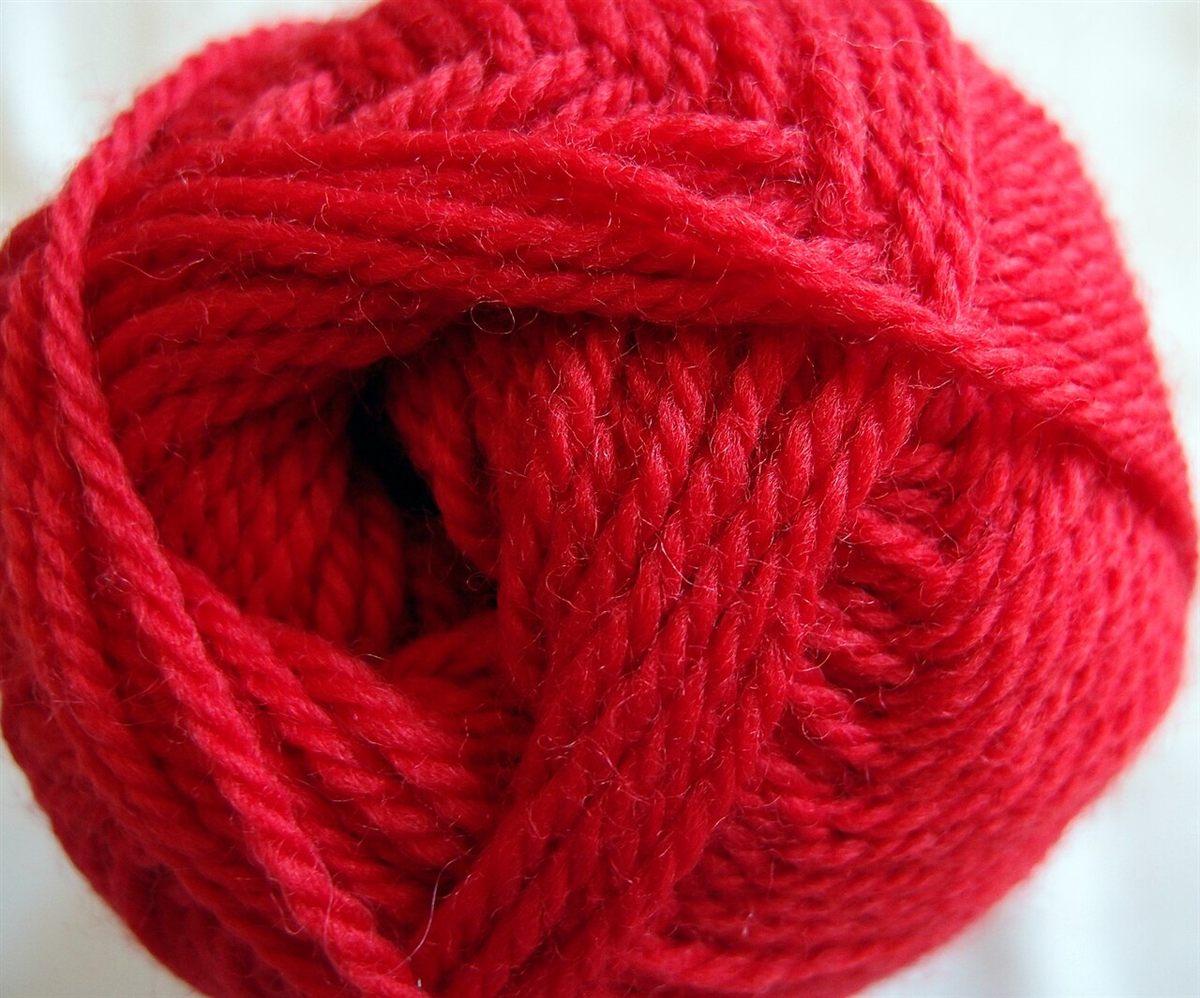
Yarn is the single largest line in any sweater quotation, typically 40 to 55 percent of ex-factory cost. A $12 retail sweater has maybe $2.50 to $4 of yarn in it — usually a synthetic or a blend, acrylic-heavy, chosen because it knits fast and costs little. A $120 sweater at retail usually means a factory price around $30 to $45, of which $15 to $25 is yarn: merino in a respectable micron count, lambswool, or a genuine cashmere blend. The same fabric weight, the same stitches — completely different animals.
And it is not just the fibre. It is the count and the ply. A finer, higher-twist yarn costs more per kilo, knits slower, and produces a denser, smoother surface that resists pilling. Cheap yarn is fat, loosely twisted and hairy — which is exactly why it pills within a month. When a buyer asks us "why does this quote cost double," nine times out of ten the honest answer is on the yarn line.
Gauge: the cost of density
A 12-gauge fine knit takes more stitches — more machine hours, more yarn per square centimetre — than a chunky 3-gauge. Buyers sometimes assume chunky equals expensive because it looks substantial. In production terms it is often the cheapest thing on the line: fat yarn, few stitches, fast knitting. The expensive look is the fine-gauge, fully-fashioned knit with clean linked seams, because you are paying for density and precision, not volume. The $12 sweater is nearly always chunky or mid-gauge in cheap yarn; the $120 one is frequently fine-gauge in good yarn. Two different cost physics.
Labour: where the minutes pile up
The invisible separator is hand work. A cheap sweater is cut-and-sewn or loosely linked — fast, tolerant, low skill. A quality sweater is fully-fashioned — panels knitted to shape, linked stitch-by-stitch, collars attached by hand, then washed, pressed and checked against a measurement tolerance. Linking a neckline well can take minutes per garment; that is real labour cost that no supply chain trick removes. Add trims, labels, and the finishing pass, and the labour line easily doubles between the two sweaters.
QC and shrinkage control
The $12 sweater ships with whatever dimensional stability it happens to have. The $120 one was washed and relaxed in production, measured against tolerance after shrinkage control, and re-pressed if it drifted. That whole loop — wash, measure, correct — costs money at every step, and it is precisely what keeps the expensive sweater fitting after five washes. It is also why "machine washable" on a cheap label is a hope, and on a proper label is a tested promise.
Then the money outside the factory
After ex-factory price, the two sweaters diverge in completely different ways. The cheap one carries freight, platform fees and returns — a return rate the model has decided to tolerate. The expensive one carries brand marketing, a retail margin, and the cost of the returns it cannot afford. A usefully rough map of where the customer's money goes:
- $12 sweater: roughly a third yarn-and-make, a third platform-and-freight, a third covering returns and markdown.
- $120 sweater: roughly a quarter factory price, the rest split between brand overhead, retail markup and the service layer — a human who answers when something is wrong.
Neither map is a scandal. But if you are a brand setting a price, you should know that the customer's trust lives or dies on the factory quarter. That is the part we control.
What this means when you brief a factory
The practical takeaway for buyers: specify the three physical things that carry the price difference, and let everything else flex. First, the yarn — fibre, count, ply. Second, the construction — fully-fashioned or cut-and-sew. Third, the QC clause — tolerances and wash testing. A factory can quote meaningfully against those three in a way it never can against "premium quality feel." And when a quote comes back higher than hoped, ask which of the three lines is driving it; a factory that cannot answer in those terms is a factory guessing.
Planning a range and want the honest cost anatomy per style? Send us the silhouettes and target price points — we will show you exactly what each price buys in yarn, construction and QC.
Get a free quote How to read a sweater quotationFrequently asked questions
Is a $120 sweater always better quality than a $12 one?
Not always — price includes brand overhead and retail margin that have nothing to do with construction. But the floor is different: a $120 sweater can be disappointing, while a $12 one is almost always exactly what it cost. The reliable test is physical, not financial: fibre content, gauge, seam construction and how it survives a wash.
Where does the biggest single cost difference sit?
Yarn, by a wide margin. It is typically 40–55 percent of ex-factory cost, and the gap between an acrylic blend and a fine merino or cashmere blend is larger than every other difference combined. If you need to move a price, the yarn line is where the honest conversation happens.
Can a factory hit a low price without cutting quality?
Sometimes, by simplifying construction rather than degrading materials — fewer panels, no hand-linked collar, plainer trims. What cannot be done honestly is a fine-gauge merino fully-fashioned sweater at a synthetic price. When a factory quotes that combination, something in the specification is quietly being substituted.