
Amazon FBA Prep for Knitwear: Labels, Polybags and Carton Rules
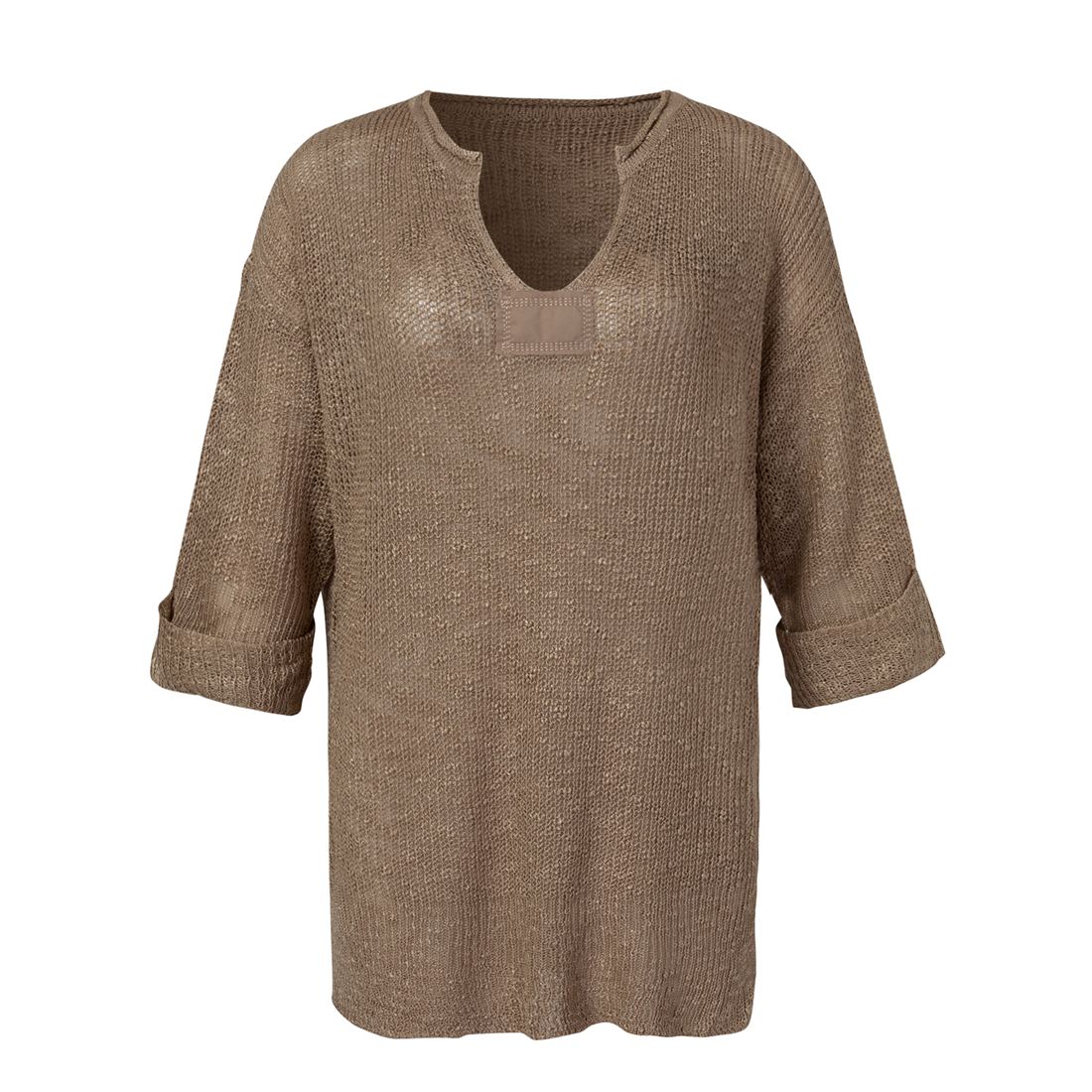
Quick answer
FBA prep means every unit arrives at the Amazon fulfilment centre ready to be received: one scannable FNSKU label covering any other barcode, a sealed transparent polybag with a suffocation warning, correct set labelling, and cartons that meet weight, dimension and box-ID rules. Knitwear adds two problems most categories don't have — compression creasing and loose fibre lint — so prep belongs in the factory spec, not in a domestic warehouse after the goods have crossed an ocean.
Our guide to selling knitwear on Amazon covers the channel; this one covers the part that actually gets inventory stranded. We see the same story regularly: a good product, shipped on time, then a week of "unfulfillable" units and unplanned prep fees because the labels were on the hangtag instead of the polybag. FBA is a rules game, and the rules are cheaper to follow at the factory.
What every single unit needs
- One FNSKU label, scannable, in the right place. Amazon identifies your unit by its FNSKU, not your GTIN. The label goes on the outside of the polybag where a scanner can read it, and any other barcode on the unit must be covered or removed. A manufacturer barcode printed on the inner bag is the single most common cause of receiving errors we hear about.
- A sealed, transparent polybag. Knitwear must be protected from dust and snagging. Bags need to be clear enough to scan through, sealed, and printed with a suffocation warning where required by the marketplace's current rules. Don't add retail price stickers or your own branding barcodes to the outside.
- Set labelling where pieces sell together. A knit top and jogger sold as a coord set must be bagged as one unit and marked as a set, or the warehouse will split them. This is worth stating explicitly for loungewear and matching sets — see knit loungewear sourcing.
- No hangers unless the programme says so. Most FBA apparel is flat-packed. Hangers add volume, cost and a receiving exception.
The knitwear-specific traps
Knitwear is soft, bulky and sheds. Those three facts generate nearly all the prep complaints we see:
- Compression creasing. Vacuum-packing or over-stuffing a carton to save freight leaves permanent press marks on ribs and brushed surfaces, and chenille pile shades where it was crushed. Pack flat, leave headroom, and never vacuum-pack knitwear — our packing guide covers carton loading in general.
- Lint and loose fibre. Brushed and chenille styles shed inside the polybag, which looks like damage when the customer opens it. A blow-down or lint-roll step before bagging costs seconds per unit and removes a whole class of reviews.
- Sealed-in moisture. A garment bagged before it is fully dry after washing develops a musty smell that cannot air out through plastic. Drying and aeration before bagging is a factory discipline, not a warehouse fix — see knitwear odour complaints for how that claim plays out.
- Mixed colours and sizes. When a carton contains mixed SKUs, it needs accurate carton content information. A carton marked "50 pcs navy" that also holds six cream units creates a reconciliation problem at receiving.
Carton-level rules that matter
Amazon sets limits on carton weight and dimensions, requires its own box ID labels on each carton, and expects cartons to be sturdy, tape-sealed and free of staples or string. Standard practice for apparel is to keep cartons under roughly 23 kg (50 lb) unless your shipment plan permits otherwise, and to avoid oversized cartons that a single person cannot handle. Each carton needs its content declared in the shipment plan, and the physical carton must match it. Check the current limits in Seller Central before packing — they do change, and "we did it this way last year" is not a defence.
Who should do the prep
- At the factory (usually cheapest). Labelling, polybagging, set bagging and carton marking all happen anyway during packing. The incremental cost is small, and it avoids a second handling. It requires you to send the FNSKU file and the label placement spec before packing starts — not after the goods leave Dongguan.
- A China-based 3PL. Useful when you consolidate several suppliers, or when your factory won't handle marketplace-specific labelling. Adds a handling step and a second quality check.
- Amazon's own prep service. Convenient, but you pay per unit and you lose the chance to fix a problem before it reaches the fulfilment centre. Best as a fallback, not a plan.
Whatever you choose, put it in the tech pack and the purchase order: who prints labels, who supplies polybags, where the label sits, and what happens when a label won't scan. For wholesale retail programmes with similar rules, the logic is the same as retailer vendor compliance.
At YZR Sweaters we prep FBA orders in-house at our Dongguan partner factories: FNSKU labels applied to the outer bag, set bagging for coord sets, suffocation-warning polybags, carton content lists that match the shipment plan, and a final scan check before the carton is sealed. Our factories are BSCI, SEDEX and Oeko-Tex certified, and we'll tell you honestly if a style's packaging needs more work than your fee allows.
Shipping knitwear straight to FBA? Send us your SKU list and shipment plan — we'll quote production with FBA prep included and flag any packaging risk before you commit.
Get a free quote Browse our knitwear rangeOr reach us directly: daniel@yzrsweaters.com · WhatsApp +86 137 2449 4230 · Dongguan, China
Frequently asked questions
Can my knitwear factory apply FNSKU labels for me?
Yes, and it's usually the cheapest option, because labelling happens during packing anyway. You must supply the FNSKU label file, specify exactly where the label goes, and confirm that no other barcode remains visible on the unit. Ask for a photo of a finished, bagged unit and a scan test before the full carton run.
Do knitted coord sets need special labelling?
Yes. If the top and bottom are sold as one unit, they must be bagged together and clearly marked as a set. Otherwise the receiving warehouse treats them as separate items, and you end up with unmatched inventory that cannot be sold. Plan set bagging when you plan the size and colour ratio, not at the last minute.
What happens when FBA prep is wrong?
At best, units are relabelled and you pay unplanned prep fees. At worst, the shipment is refused or the inventory sits unfulfillable while you file a reconciliation case — during your selling season. Every one of those outcomes costs more than doing the prep correctly at the factory, which is why we treat it as part of the product spec.