
Knit Loungewear Sourcing: Where Comfort Meets Margin
Quick answer
Knit loungewear — joggers, knit hoodies, coord sets, robes — is sourced much like sweaters, but the quality bar shifts: loungewear is worn for more hours and washed more often than outerwear, so pilling, shrinkage and seam comfort decide your reviews. Choose softer yarns at lighter weights, demand wash testing, and treat coord sets as one product whose two pieces must match perfectly.
Loungewear stopped being a pandemic fad and settled into a permanent category. For knitwear buyers it's an attractive adjacency: the same machines, the same yarns, but a product the customer lives in twelve hours a day. That intimacy is exactly where the sourcing risk hides. A sweater is judged on the rail; loungewear is judged at 11pm on the sofa after thirty washes.
What counts as knit loungewear
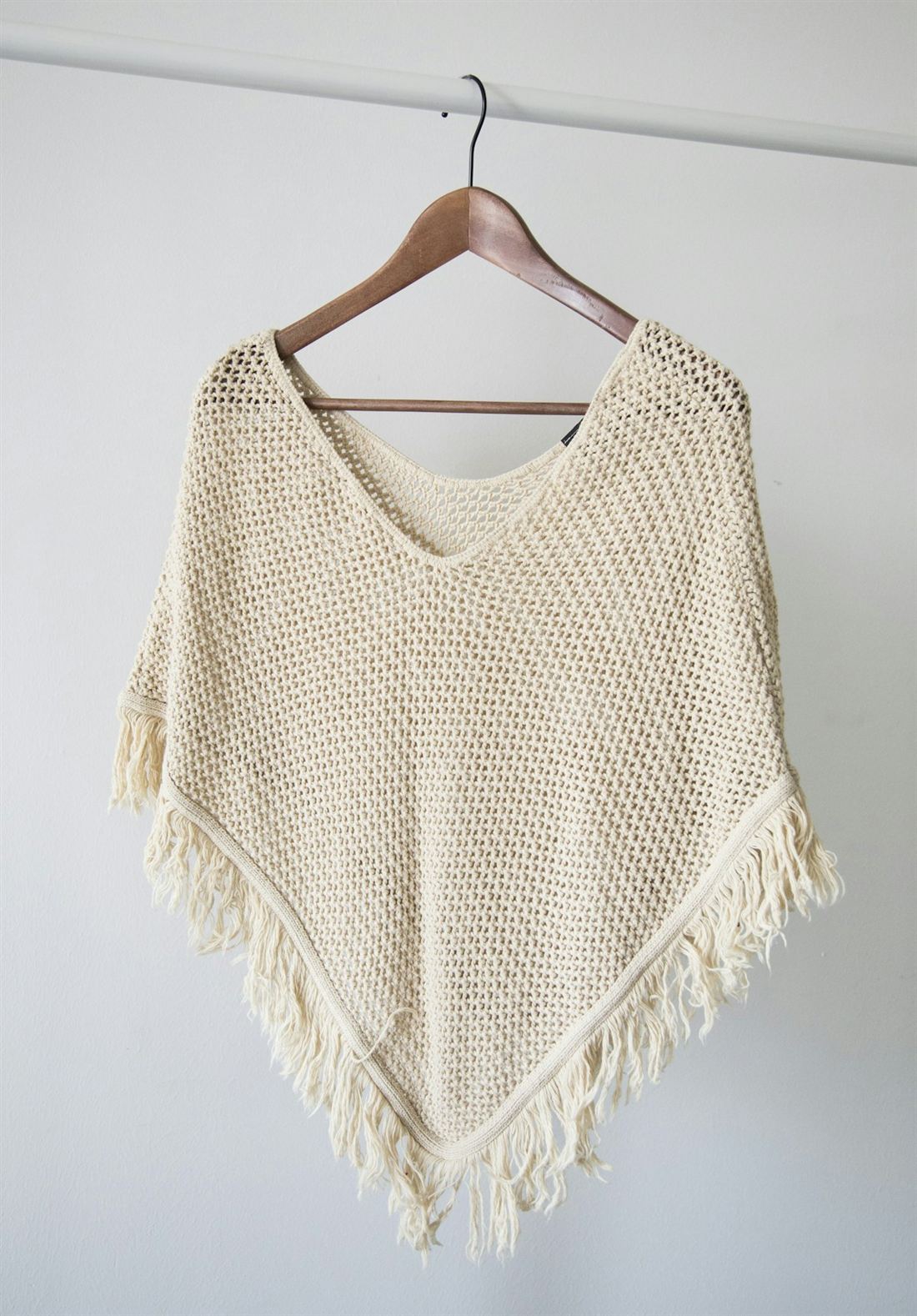
The commercial core of the category is knit joggers and matching tops — the coord set — plus knit hoodies, wide-leg knit trousers, shorts sets, robes and knit ponchos. Nearly all of it is produced on the same flat or circular knitting machines as sweaters, which is why sweater factories, rather than jersey cut-and-sew shops, usually make the best knit loungewear.
How it differs from sweater sourcing
- Lighter weights, softer hand. Loungewear sits against skin for hours, so typical fabric weights run lighter than outerwear knits and the yarn must pass the "bare arm" test — see fabric weight and GSM and hand feel and prickle.
- Drape over structure. Where a sweater often wants body, loungewear wants flow. Fine gauges and softer structures — hacci, waffle, fine rib, brushed knits — dominate the category.
- Brushed finishes are common. That peachy, fuzzy surface is a raising finish, and it has its own trade-offs; our brushed finishes guide covers what it does to pilling and care.
- Waistbands and drawcords appear. Sweater factories must handle elasticated waists, drawcord ends and grommets — trims that need their own approval, per your trim card.
The quality risks that actually decide reviews
Pilling is the number one killer. Loungewear gets worn more hours and washed more often than any other knit category, and nothing generates one-star reviews faster than thigh pilling on joggers. Specify yarn accordingly and test honestly — our pilling prevention guide applies double here. Budget acrylic that would survive as an occasional sweater will not survive as daily loungewear.
Shrinkage follows close behind. A weekly-wash product that shrinks 5% is a returns program, not a product. Demand shrinkage testing to your target market's standard, and leave no tolerance unstated — see shrinkage control.
Seam comfort is the silent one. Customers don't know the word "linking," but they know a ridge of seam digging in at 2am. Loungewear seams should be flat and soft; ask your factory how the side seams and crotch seams of joggers are finished, and check the inside of the sample, not just the outside.
Selling coord sets: one product, two pieces
Coord sets are the category's profit engine, and they come with a specific production requirement: the top and bottom must match. That means:
- Same dye lot, ideally same knitting batch. Two pieces dyed separately will drift apart, visibly, under retail lighting. Plan yarn and dyeing for both pieces together — colour consistency matters more here than anywhere.
- Sold separately, planned together. Most brands sell the pieces individually (customers replace joggers more often) but the garments must still match after the customer washes each piece a different number of times. Wash both pieces of your sample set separately and compare.
- Size ratio planning differs per piece. Bottoms often size up more than tops. Plan the size ratio per piece from your own sales data, not a generic curve.
Price and positioning
Knit loungewear spans from ultra-budget to premium, but the category's gravity is the middle: customers pay for softness they can feel and punish pilling they can see. The cost levers are yarn quality first and finishing second; cutting both to hit a price point produces the cheapest product and the most expensive reviews. If the quote you're comparing is far below others, ask which yarn it assumes before celebrating.
YZR Sweaters produces knit loungewear and coord sets for brands in the US, UK and Australia, including hacci, waffle and brushed styles at flexible MOQ. We wash-test loungewear samples as standard, dye coord sets as one lot, and our Dongguan partner factories are BSCI, SEDEX and Oeko-Tex certified — because a product worn against skin twelve hours a day deserves documentation, not promises.
Planning a loungewear line or coord set? Send us your designs or reference pieces with target quantities — we'll come back with yarn and structure options, honest lead times and a costed quote.
Get a free quote Browse our knitwear rangeOr reach us directly: daniel@yzrsweaters.com · WhatsApp +86 137 2449 4230 · Dongguan, China
Frequently asked questions
What fabric weight works best for knit loungewear?
Most successful loungewear sits lighter than outerwear knits — roughly fine-gauge fabrics that drape rather than stand. The right answer depends on climate and positioning: heavier brushed knits for winter markets, lighter ribs and hacci for year-round lines. Approve weight on a knitted-down sample in the actual yarn, never from a swatch card alone.
Why do coord sets cost more than buying the two pieces separately?
Because matching is a production constraint, not a marketing one. Both pieces must come from the same dye lot and usually the same knitting batch, which limits how the factory schedules and buys yarn, and raises the cost of any remake. The premium buys you the one thing customers check first: whether the set actually matches.
What MOQ should I expect for knit loungewear?
For stock-yarn styles, flexible factories start around 100–300 pieces per style and colour, similar to sweaters. Custom-dyed colours, custom yarn blends and coord sets push minimums up because the dye lot must cover both pieces. If your first order is small, build the range around stock yarns and add custom colours once a style proves itself.