
Sourcing Knitwear for the France and Benelux Markets
Quick answer
France, Belgium and the Netherlands are one of the most accessible knitwear regions for a new exporter: one EU customs regime, sophisticated buyers, and strong appetite for mid-priced wool and cotton knits. The work is in the details — French-language labelling and EPR registration for France, small boutique-friendly order quantities, and delivery calendars built around Paris and Amsterdam trade windows. If you get those three right, the region behaves.
We ship knitwear into all three countries, and buyers are often surprised how different they feel from German accounts despite sharing a customs union. The French market rewards design and colour confidence; the Dutch reward reliability and sharp commercial terms; the Belgians sit somewhere in between, with an unusually strong boutique culture for a small country. Here is what we have learned on the factory side.
What does the retail landscape actually look like?
France is one of the two largest apparel markets in the EU. The knitwear volume splits across several very different channels:
- Value chains and hypermarket apparel — Kiabi and the apparel aisles of E.Leclerc and Carrefour move enormous volumes of basic cotton and acrylic knits. Price discipline is brutal, and these accounts usually work through big intermediaries.
- Department stores and multi-brand boutiques — Galeries Lafayette and the thousands of independent boutiques across French towns. This is where a Dongguan factory's mid-priced merino, lambswool and cotton knits genuinely compete. Boutiques order small, order late, and reorder on sell-through.
- Online and catalogue heritage — La Redoute built the French home-shopping habit, and the flash-sale platforms still move last-season knitwear in volume. Useful for clearing programme leftovers, not for building a brand.
The Netherlands is smaller but dense and hyper-organised: strong value retail (Zeeman, for example, buys impressive volumes of simple knits), a solid mid-market, and a famously international mindset — Dutch buyers negotiate in fluent English and expect Dutch directness in return. Belgium's market is boutique-heavy, quality-led, and loyal: once a Belgian boutique or small chain trusts your quality, they stay for years. Antwerp's design pedigree filters all the way down to how Belgian buyers judge hand-feel and finishing.
What compliance work does a French or Benelux programme involve?
The EU framework applies across all three countries — the same tariff lines and duty structure we describe in our HS code guide, the same fibre-content and care labelling rules under EU textiles regulation, and the coming EU sustainability requirements. Two things are France-specific and catch new exporters off guard:
- French-language labelling. France enforces its consumer protection law strictly: care instructions, fibre content and composition on products sold in France must be in French. An English-only care label that sails through Germany can block a shipment's commercial acceptance in France. We produce French care label sets routinely; it is a printing detail, not a cost problem — but it must be in the bill of materials from the start.
- EPR for textiles (Refashion). France has had a mandatory extended producer responsibility scheme for textiles for years — importers register and pay contributions per item placed on the market. Your French customer handles registration, but they will ask you for the data that feeds their declarations: fibre composition, weight per unit, sometimes recycled content. Have those numbers ready per style instead of scrambling after each PO.
Belgium and the Netherlands follow the standard EU rules with fewer national add-ons. The Dutch are ahead of the pack on sustainability claims — expect pointed questions about recycled content and certification that are best answered with recognised certificates rather than adjectives.
How do the commercial logistics work?
Geographically, this region is the easiest in Europe to serve. Rotterdam and Antwerp are the two largest ports on the continent, so ocean freight routing is simple and competitive; French buyers more often clear through Le Havre or take rail arrivals into Duisburg with trucking down. Delivery expectations are continental-standard — full document sets, correct customs declarations, and increasingly, deliveries booked into warehouse windows rather than "when it arrives".
On payment, wholesale terms in all three countries follow continental norms: commonly 30 to 60 days from delivery for established relationships, often with SEPA direct debit. New relationships usually start with shorter terms or deposits — our general advice in the payment terms guide applies unchanged. The Dutch in particular negotiate hard and literally; if you write a quality tolerance into the contract, expect it to be measured.
Which knitwear products tend to work?
- Colour-forward merino and lambswool. French buyers take richer colour stories than the German market — burgundy, mustard, deep greens — and will pay for fine-gauge merino in fashion silhouettes.
- Fine cotton knits for spring. The boutique channel runs spring/summer programmes of cotton and cotton-blend knits; the Benelux value channel runs basics all year.
- Children's knitwear. France's kidswear culture (and its household brands) keeps demand steady — subject to the compliance points in our children's knitwear guide.
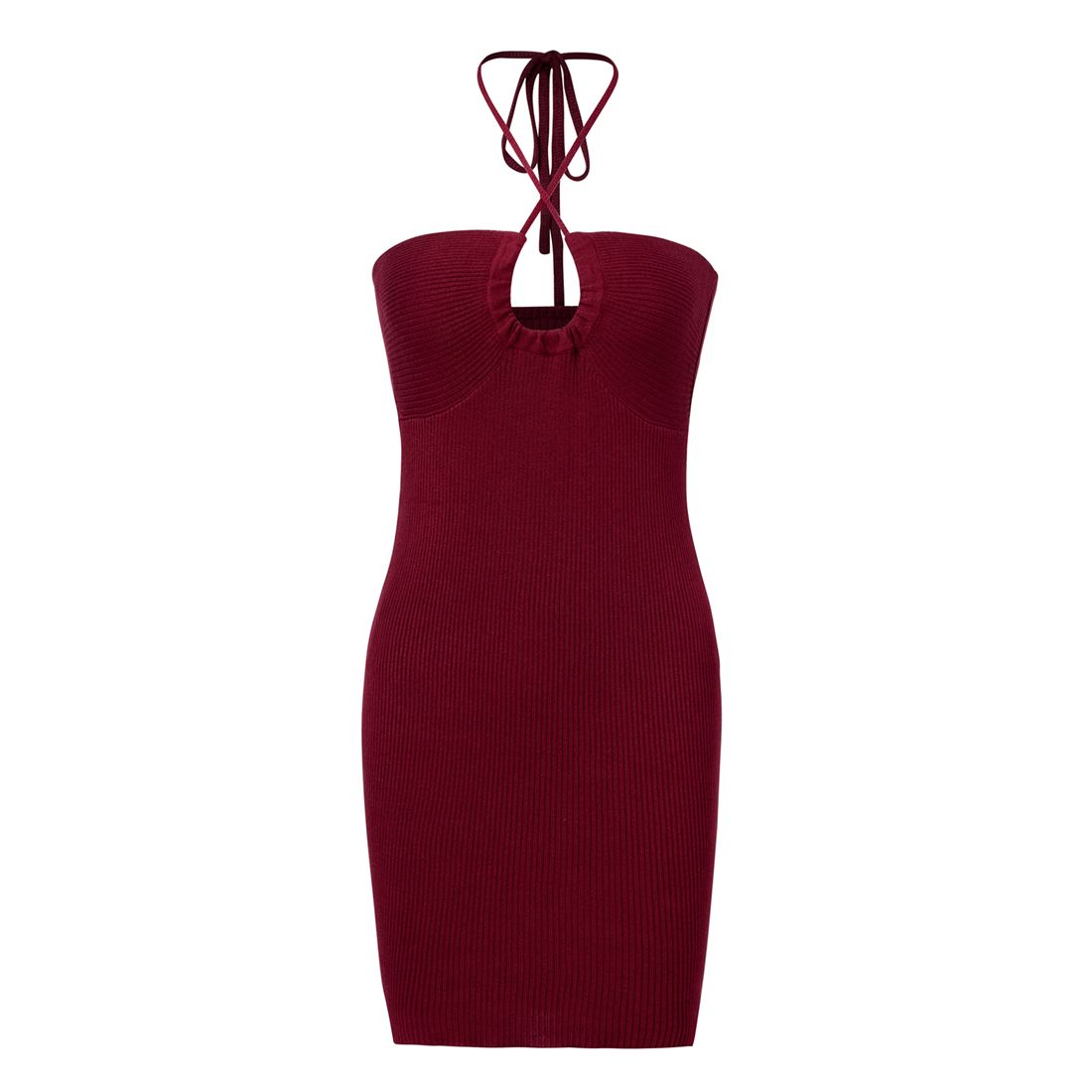
- Knitted dresses and skirts. Both French and Dutch womenswear buy dresses heavily; our knitted dress guide covers the construction points that matter for these programmes.
Sizing follows EU standards across all three, with a French habit of quoting the base-36 to 44 range in womenswear. Fit sessions and grading are unremarkable — the same blocks that fit Germany fit here, with French boutiques occasionally preferring a slightly slimmer body.
How should a supplier prepare for a French or Benelux account?
- Build the French label set into sampling, not bulk. Send the first samples with French care and content labels already applied. It signals you have done this before, and it removes the single most common late-stage hiccup.
- Support small first orders honestly. Boutiques and concept stores will test with 100 to 300 pieces per style. Rather than refusing low quantities, price them as honest low-MOQ production and let reorder volume fix the unit economics — this market's loyalty is the payoff.
- Have per-style data ready. Composition, unit weight, recycled share, carton counts. France's EPR and the Dutch sustainability questions both land on the same spreadsheet.
- Plan around the Paris calendar. Buying concentrates around the January and September Paris trade weeks, even for buyers who do not attend — their inboxes and calendars organise around them. Show follow-up in the two weeks after those windows outperforms cold outreach the rest of the year.
At YZR Sweaters we are a Dongguan knitwear factory working with fashion brands, wholesalers and online retailers across Europe, including French, Belgian and Dutch accounts. We produce French-language label sets as standard for those programmes, keep per-style composition and weight data available for EPR declarations, and quote honestly at boutique-scale quantities. If you are building a programme for this region, tell us the channels and the calendar, and we will map the production around it.
Building a knitwear programme for France, Belgium or the Netherlands? Send us your styles and quantities, and we'll quote with the region's labelling and data requirements built in.
Get a free quote Browse our knitwear rangeOr reach us directly: daniel@yzrsweaters.com · WhatsApp +86 137 2449 4230 · Dongguan, China
Frequently asked questions
Do Belgium and the Netherlands need anything special beyond standard EU compliance?
Not really — standard EU fibre-content and care labelling, correct HS classification and customs paperwork cover it. The Netherlands stands out for scrutiny of sustainability claims, so expect documentation questions on recycled content and certifications. France is the country in the region with national add-ons: French-language labels and textile EPR registration through Refashion.
Are French boutique orders too small for a Chinese factory?
Not if they are priced honestly. A 150-to-300-piece boutique test order costs more per piece than a 5,000-piece chain programme, and a factory that quotes it straight — rather than refusing or quietly cutting corners — is easier to work with. The strategy is to treat the first order as a paid audition and let the reorders carry the volume. French boutiques that sell through do reorder within the same season.
Which port should a French buyer ship into?
Le Havre is the natural deep-sea gateway for Paris and northern France, though many importers truck from Rotterdam or Antwerp because sailings are more frequent and freight rates more competitive. For a first programme, let the freight decision follow your forwarder's weekly sailing options rather than forcing a port choice in advance — transit-time differences of a day or two rarely matter against a well-planned production calendar.