
The Knitwear Line Sheet: What Wholesale Buyers Need to See
Quick answer
A line sheet is the document a wholesale buyer orders from, and it is closer to a specification than to a lookbook. For each style it needs a clear photo, the composition, the size range, the colourways, the wholesale price, the minimum quantity and the delivery window. Mood imagery sells the brand; the line sheet sells the order. Mixing the two is why buyers ask questions the document should already have answered.
Brands spend a great deal on lookbooks and comparatively little on the line sheet, which is the document that actually converts interest into an order. A boutique owner browsing twelve lines has limited patience; the line sheet that lets them calculate a buy in ten minutes wins over the one with beautiful photography and no prices.
What is a line sheet, and how is it different from a lookbook?
A lookbook is a brand document. It establishes mood, shows the collection styled, and is designed to make the buyer want to be associated with the label. A line sheet is a working document. It lists what can be bought, in what sizes and colours, at what price, and when it can be delivered.
Both have a place, and they fail when confused. A lookbook with prices is an awkward hybrid that does neither job well. A line sheet with no styling at all is hard to sell from. The usual structure is a short lookbook for the story and a separate, plain line sheet for the buy — sent together, referred to separately.
Our notes on supplying independent boutiques cover the channel these documents serve, and range planning explains how the styles on the sheet should be structured before it is written.
What must every style entry contain?
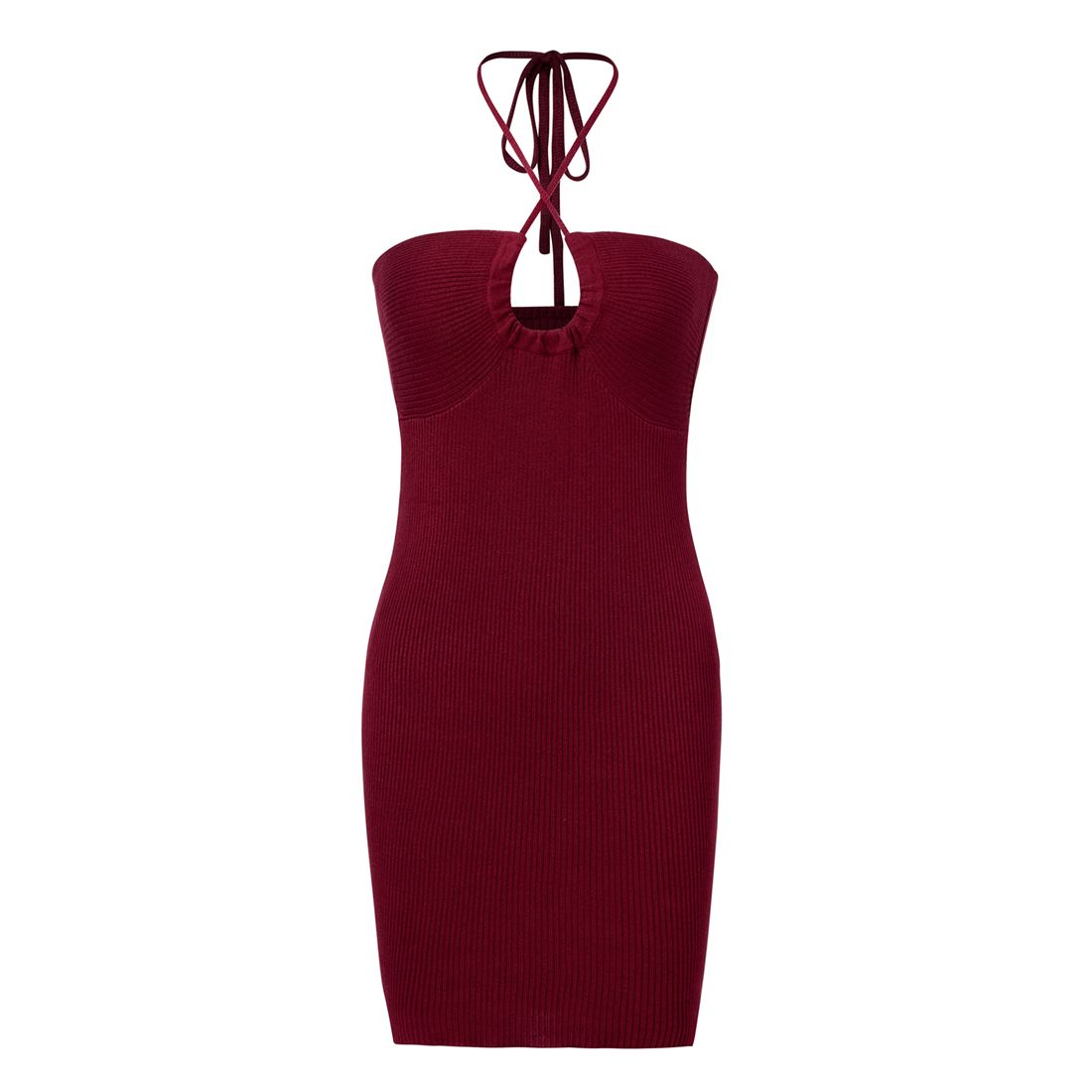
- A photo that shows the garment clearly. Front and back at minimum, on a body or a form rather than a hanger, with the colour reading accurately. Our notes on knitwear photography explain why a knit is harder to photograph than it looks.
- Style name or number, unique and stable, so a buyer can refer to it in an email without ambiguity. A number that changes between seasons breaks reorder history.
- Composition, with percentages. Not "wool blend" — buyers are making a price and quality judgement and need the split. Our notes on sweater yarn explain the fibre landscape.
- Size range and the measurement basis, so the buyer knows what M means on this sheet.
- Colourways, with a swatch or a colour reference per colourway, not just a name.
- Wholesale price and the currency, with the Incoterm stated. Our notes on reading a sweater quotation explain why FOB and EXW prices are not comparable, and wholesale pricing and markup explains how the retail price follows.
- Minimum quantity per style and per colour, because a buyer planning a small order needs to know whether four colours is possible. Our notes on sweater MOQ cover how the minimum is set.
- Delivery window, stated as a month or a period rather than a single date.
The test of a line sheet is whether a buyer can calculate a complete order from it without emailing a question. Every missing field becomes a question, and questions delay orders.
What should the sheet leave out?
Factory cost detail. The wholesale price is the number; how it was built is not the buyer's concern and revealing components invites negotiation on the wrong basis.
Every possible option. A sheet listing twelve colours when only six are feasible at the order size creates work and disappointment. List what is available at the stated minimum, and note separately what becomes available at higher volume.
Internal codes and shorthand. A buyer cannot order "style C2-BLK-rev3". Use the name the buyer will use.
Unverifiable claims. "Best-selling shape" needs evidence; a new line has none. Our notes on EU sustainability rules cover the growing scrutiny on unsubstantiated claims, which applies to B2B communication as much as to consumer pages.
How should the price and terms be presented?
State the Incoterm with every price. An FOB price and an EXW price differ by the inland transport and export clearance, and a buyer comparing two sheets with different terms is comparing two different numbers. Our notes on Incoterms explain the difference.
Show the price ladder if one exists. If the unit price drops at a higher quantity, say so and give the break points. A buyer will often increase an order to reach a better price, and a sheet that hides the ladder loses that.
Be explicit about what the price includes. Labels, hangtags, polybags and cartons may or may not be in the quoted figure. Ambiguity here is a common source of late-stage friction, and our notes on trims and labels cover what those components cost.
Give payment terms. Deposit percentage, balance timing and the accepted methods. Our notes on payment terms cover the options and their risks.
How does the line sheet relate to production reality?
Every number on the sheet is a commitment the factory has to meet, which is why it should be built from production data rather than from ambition.
The minimum quantity reflects the factory's real threshold, including any yarn minimum behind a bespoke colour — a point our notes on yarn minimums cover. The delivery window reflects capacity and the buying calendar, which our notes on factory capacity explain. The colourways reflect what the yarn supplier actually holds.
A sheet that promises a colour the mill cannot supply, or a delivery date the factory cannot hold, generates exactly the disputes that damage a wholesale relationship. The discipline is to publish only what has been confirmed, and to say plainly when an option is conditional.
How should the sheet be delivered?
- As a PDF with a stable file name and version, so a buyer can store it and refer back to the right version.
- With a summary page at the front — style count, size range, price band, key delivery window — so the buyer knows within thirty seconds whether the line fits their store.
- With an order form or a clear ordering instruction, because the gap between "interested" and "ordered" is where momentum is lost.
- Dated, with the period the prices are valid. Undated prices invite a dispute about which version applied.
- Sent with the lookbook but as a separate file, so each document does its own job.
At YZR Sweaters we work with partner factories holding BSCI, SEDEX and Oeko-Tex certifications, welcome factory audits, and support third-party inspection through firms such as SGS and BV. When we quote a programme we state the composition, size range, colourways, minimums and delivery window together, because a line sheet that a buyer can order from without asking a question is the fastest route from interest to production.
Building a wholesale line and want the specification and numbers that make it orderable? Send us your styles and target price band, and we will come back with the detail behind each one.
Get a free quote Visit yzrsweaters.comFrequently asked questions
What is the difference between a line sheet and a lookbook?
A lookbook sells the brand and the mood; a line sheet sells the order. The lookbook shows the collection styled and is about aspiration, while the line sheet lists what can actually be bought — composition, sizes, colours, price, minimum and delivery. Sending them as separate documents lets each do its job.
Should I put my wholesale prices on the line sheet?
Yes. A sheet without prices cannot be ordered from, and a buyer will simply move to the next line rather than ask. State the currency and the Incoterm alongside the figure, since an FOB and an EXW price are not comparable and a buyer comparing sheets needs to know which they are looking at.
How many colourways should a line sheet show?
Only the colourways that are actually feasible at your stated minimum, including any yarn minimum behind a bespoke shade. Listing options that require a larger order than the sheet states creates work for the buyer and disappointment at sampling. Note the higher-volume options separately.