
How to Review a Knitwear Sample: A Buyer's Checklist Before Bulk
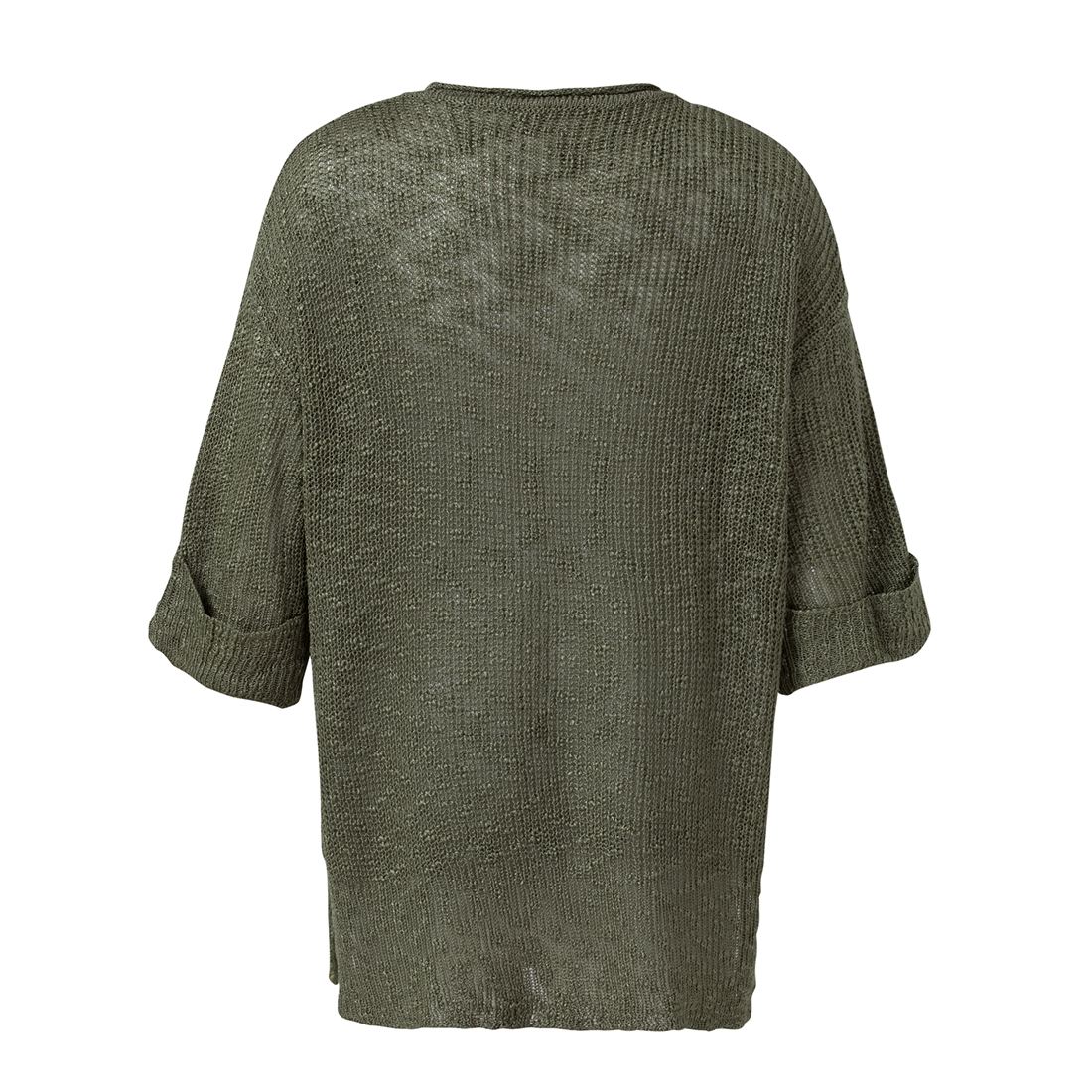 Views: 0
Quick answer
Reviewing a knitwear sample means comparing it against the specification, not against your memory of the idea: measure it in the relaxed state, wear it, wash it, and check the inside. Approving a sample sets it as the bulk production standard, so anything you were not sure about should be resolved before signing — not discovered in the shipped goods.
A sample arrives, it looks broadly right, and the temptation is to approve it and move on. That shortcut costs more than any other step in sourcing. The sample is not just a preview — once approved, it becomes the standard the bulk order is judged against, and every weakness you tolerate in it gets reproduced across the whole run. A structured review takes under an hour and turns "it doesn't feel right" into feedback a factory can actually act on.
What should you check before anything else?
Start with the specification, not the garment. Lay the sample flat, let the fabric relax, and measure the full point-of-measure list from the tech pack using the agreed method. Knitted fabric needs time to settle after finishing, so measure the way production measurements are defined — relaxed, on a flat surface, not stretched or smoothed into shape.
- Check every measurement against the spec, including tolerances — not just the chest and length.
- Compare against the reference garment if one was supplied, since that is what the factory was asked to match.
- Note every reading, even the passing ones, so the record shows the sample was checked properly.
How do you judge fit and silhouette?
Measurements confirm the garment matches the spec; only wearing it confirms it matches the intent. Put the sample on someone in the target size, not just anyone available.
- Look at the shoulders, armholes and sleeve length — the three places where knit fit problems show first.
- Move: raise the arms, sit down, and see whether the body twists or the hem rides up.
- Check the silhouette from the side and back, not just the mirror-facing front. Swing and A-line shapes reveal themselves in profile.
- If the style layers, try it over the intended shirt or under a coat.
Why must you wash the sample before approving?
Washing the sample is the cheapest test you will ever run, and skipping it is the most expensive mistake in sample review. Knitted garments change in their first washes: relaxation shrinkage appears, colours can bleed, and pilling sometimes shows early on susceptible yarns. Wash the sample once according to the care label you intend to print, then re-measure and inspect.
- Re-measure after washing and compare the change against the shrinkage allowance in the spec — our guide to shrinkage control explains what buyers should have agreed in writing.
- Check colour fastness in practical terms: did the water colour, did the white trim pick up dye, did the surface rub?
- Look at the surface after drying: early pilling, fuzzing, or a change in texture all signal what bulk will do.
What should you check inside the garment?
The inside tells you how the factory really works, because consumers never see it but inspectors will. Turn the sample inside out and look at:
- Linking quality — the seams joining panels should be even and firm, without open loops or gaping courses.
- Yarn tails and trims — loose ends should be secured, not trimmed flush where they can unravel.
- Tension consistency — wavy side seams or flaring hems point to uneven knitting between panels.
- Label placement and attachment — main label, care label and size label as specified, sewn without puckering.
How do you judge hand feel, weight and colour?
Hand feel is a specification, so judge it against the reference garment and the agreed requirements, not against mood. Squeeze, stretch and release the fabric: recovery matters as much as softness, and a scratchy or prickly surface will generate complaints even when the fibre content is correct — our notes on hand feel and prickle cover what drives it.
Weigh the sample if fabric weight is specified, and compare it with the target. For colour, compare the sample against the approved lab dip or colour standard in daylight, not under indoor lighting or on screen, and check that all panels of the garment match each other. Where several colourways were sampled, review all of them — problems concentrate in the darkest and brightest shades.
How should you write the feedback?
A review that says "the sample feels off" cannot be acted on. Structure feedback in three tiers:
- Must change — items that block approval, each with the measurement or reference it fails against.
- Should change if possible — improvements that would not block a small cost or effort.
- Approved as is — details you like, so the factory does not "fix" them in bulk.
Attach photos with arrows or close-ups, send it as one document, and agree on the next round's timing. One clear feedback document beats a week of scattered messages — the same discipline that makes the sampling process efficient on the factory side.
When should you approve, and what does approval commit you to?
Approve only when every "must change" item is resolved and you have washed and re-checked the revised sample. Approval has a specific meaning: the sealed sample becomes the bulk standard that production and inspection are judged against. Sign or stamp one copy, keep it, and have the factory keep the identical twin. From that moment, spec plus sealed sample is the reference for bulk inspection — so if a detail was still undecided at approval, it is now decided by whatever the sample shows.
What should you expect from a supplier during review?
A good supplier answers measurement questions with numbers, sends replacement samples without argument when a must-change item fails, and tells you honestly when a requested change will alter the price or lead time. At YZR Sweaters we work with partner factories holding BSCI, SEDEX and Oeko-Tex certifications, welcome factory audits, and support both full inspection and third-party inspection through firms such as SGS and BV. We encourage buyers to wash and wear our samples before approving, because a problem found in sampling costs one garment — the same problem found in bulk costs a container.
Waiting on a sample to review? Send us your style, measurements and reference garment, and we will provide the sampling plan and spec support that make approval straightforward.
Get a free quote Visit yzrsweaters.comFrequently asked questions
How many sample rounds are normal before bulk production?
One or two rounds are typical when the specification is complete and the feedback is structured; more rounds usually point to gaps in the tech pack or feedback that the factory cannot interpret. If you are heading into a fourth round, revisit the specification rather than repeating the same comments.
Can I skip washing the sample if the yarn is a familiar blend?
It is not recommended. Familiar blends still vary by dye lot, finishing route and knitting structure, and first-wash behaviour is where shrinkage, colour bleed and early pilling reveal themselves. One wash cycle on one sample is the cheapest quality check available in the whole process.
Who keeps the sealed sample after approval?
Both parties should hold an identical sealed copy, signed or stamped and dated. The buyer's copy is the reference for bulk inspection and any third-party inspection, while the factory's copy is what production is run against. If the two copies differ, the discrepancy must be resolved before bulk starts.
Comments
Comments are loading. To enable live comments, see setup notes in the repo.