
Why Bulk Knitwear Differs From Your Approved Sample — and How to Control the Gap
Quick answer
Every bulk knitwear order differs slightly from the approved sample because it is made from a different yarn lot, on different machines, by different operators, in different humidity, over weeks rather than days. The differences are normal and mostly within agreed tolerance — the buyer's protection is not demanding a perfect match, but agreeing tolerances, sealing a sample, checking a production sample from the first bulk pieces, and inspecting against measurable standards rather than memory.
We have been on the receiving end of the disappointed email: "the bulk doesn't look like the sample." Sometimes it is a genuine quality failure — we are not going to pretend factories never slip. But in most cases what the buyer is seeing is the normal physics of scale: a sample is one garment made slowly by one person from one cone of yarn, and bulk is three thousand garments made in batches over three weeks. Understanding where the differences come from tells you which ones to accept, which to reject, and which to prevent on the next order.
Where the differences come from, in order of frequency
In our experience these are the sources, roughly in the order buyers actually encounter them:
- Yarn lot variation. The sample was knitted from one dye lot; bulk consumes dozens. Even with the same dye recipe, different dye lots land a shade apart — which is why lab dips and colour approval happen per lot, not once per order. Natural fibres add another layer: wool and cotton vary by harvest and clip, so two lots of the "same" yarn are never chemically identical.
- Dye bath shade drift. Piece-dyed styles run through multiple dye baths, and bath-to-bath variation is a fact of dyeing. The defence is lot-by-lot colour control and approving the first bulk pieces against the sealed sample in a lightbox, not under warehouse skylight.
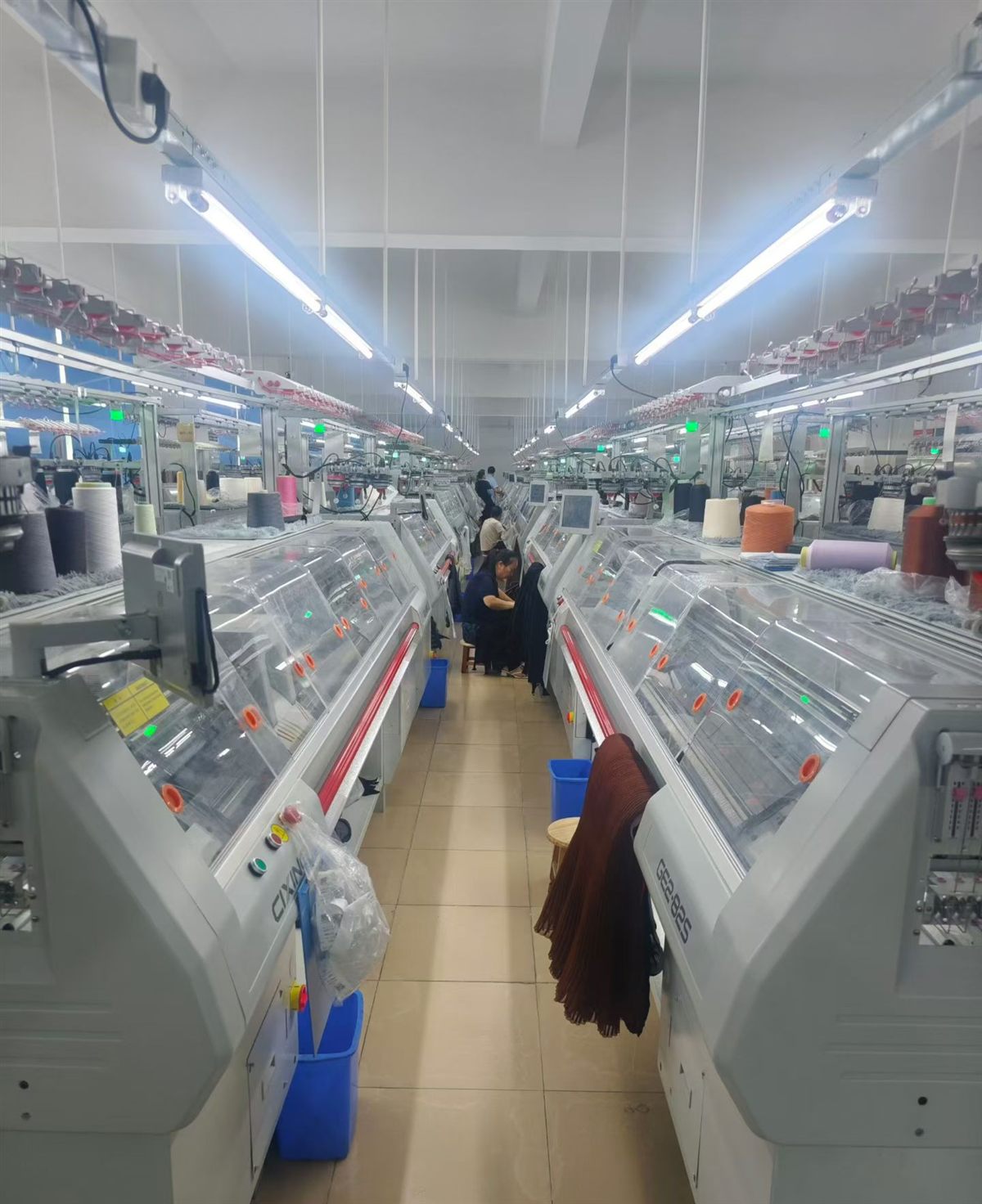
- Machine and gauge variation. Bulk spreads across several knitting machines of the same gauge but different ages and tensions. A panel from machine 7 can measure a centimetre off a panel from machine 2 even when both are within tolerance — and tension and loop length settings drift as needles wear.
- Operator differences. Linking, seaming and hand-finishing are skilled work. Three linkers will set the same shoulder seam slightly differently, and across a 3,000-piece order the range of human variation shows up in the width of neck seams and the evenness of pick-ups.
- Humidity and relaxation. Knitted fabric relaxes with moisture. Panels knitted in a humid August and finished in a dry October behave differently in shrinkage and relaxation, which is why we condition and measure garments in a standard atmosphere before taking final measurements.
- Pressing. A hard-pressed garment looks smaller and flatter than a soft-pressed one. Bulk pressing is done to a schedule that keeps pace with output, and pressing standards drift if the buyer never specifies them.
Which differences are defects — and which are knitwear
Here is the line we draw with buyers. Acceptable: a half-shade difference between dye lots on the same order, provided each lot is internally consistent; measurement within the agreed tolerance — typically 2–3% or a fixed centimetre table, which belongs in your quality standards document; minor variation in hand-linked seam appearance that does not affect strength or comfort. Not acceptable: garment-to-garment colour differences within a single dye lot; measurements outside tolerance; visible differences between the two sleeves of one garment; hand-feel noticeably harsher than the approved sample, which usually points to fibre micron or finish changes that should have been flagged.
The single most useful thing a buyer can do is write that list down before bulk starts. Vague standards like "must match sample" produce disputes; written tolerances produce decisions.
The four controls that actually work
After a few thousand orders, these are the mechanisms that consistently close the gap:
- Seal the sample properly. Not a photo — a physical sealed garment, signed by both sides, that stays on the production floor. Our process for sample review and sealing is designed so the sealed reference is what production is actually run against.
- Approve a production sample from the first bulk pieces. This is the control buyers most often skip, and it is the cheapest one on this list. A garment pulled from the first hour of bulk — made on the real yarn, the real machines, by the real team — tells you more than any pre-production sample ever will.
- Run inline checks, not just final inspection. If tension drifts on machine 7 on day two, inline inspection catches it on forty garments instead of three thousand. We cover the mechanics in our inline inspection guide.
- Book the same yarn for sampling and bulk. Where the order allows, we reserve the sample yarn lot for bulk or at least ensure sampling uses the same supplier, count and dye process, so yarn substitutions never happen silently between sample and production.
What to do when bulk genuinely misses
When bulk falls outside agreed tolerances, the sequence matters. First, quantify — pull a random sample and measure; do not argue from the top carton. Second, separate: often part of an order is fine and part is not, and reworking the affected pieces through re-pressing, re-measuring or structured rework resolves it faster than rejecting the shipment. Third, agree the remedy against the contract — rework, replacement, discount or a blend — rather than letting the container sit at the port accruing demurrage while the argument runs. Buyers who keep the sealed sample, the written tolerances and the inline records always settle faster, because the question stops being "does it match" and becomes "which clause applies."
At YZR Sweaters we are a Dongguan knitwear factory producing for fashion brands, wholesalers and online retailers, and we would rather argue about tolerances before bulk than after it. We send production samples from the first bulk pieces as standard on new customer programmes, because it has saved both sides more arguments than any other single habit.
Starting a bulk knitwear programme and want sampling, sealing and tolerance rules agreed up front? Send us your tech pack or reference garment.
Get a free quote Browse our knitwear rangeOr reach us directly: daniel@yzrsweaters.com · WhatsApp +86 137 2449 4230 · Dongguan, China
Frequently asked questions
How close should bulk knitwear match the approved sample?
Colour should match the sealed sample under an agreed light source within a commercial tolerance — typically half a shade point — with each dye lot internally consistent. Measurements should fall within a written tolerance table, commonly 2–3% or fixed centimetres per point of measure. Absolute identity is not achievable in any natural-fibre product and any factory promising it is telling you what you want to hear.
What is a production sample and why ask for one?
A production sample is a garment pulled from the first pieces of actual bulk production — real yarn lot, real machines, real finishing. Approving it converts the pre-production sample from a promise into a checkpoint: if bulk drifts later, you have a reference from bulk itself to measure against. Most quality factories will send one on request; we send them as standard for new programmes.
The bulk hand-feel differs from the sample — what happened?
Common causes are a softer or harsher softener in finishing, a different yarn lot with higher micron wool, or over-drying during finishing. It is a legitimate claim if the fibre and finish were specified; ask the factory for the finishing process sheet and the yarn lot details rather than accepting "same as sample" as an answer. Where softness is critical, specify it measurably — fibre micron, softener type, wash process — in the tech pack.